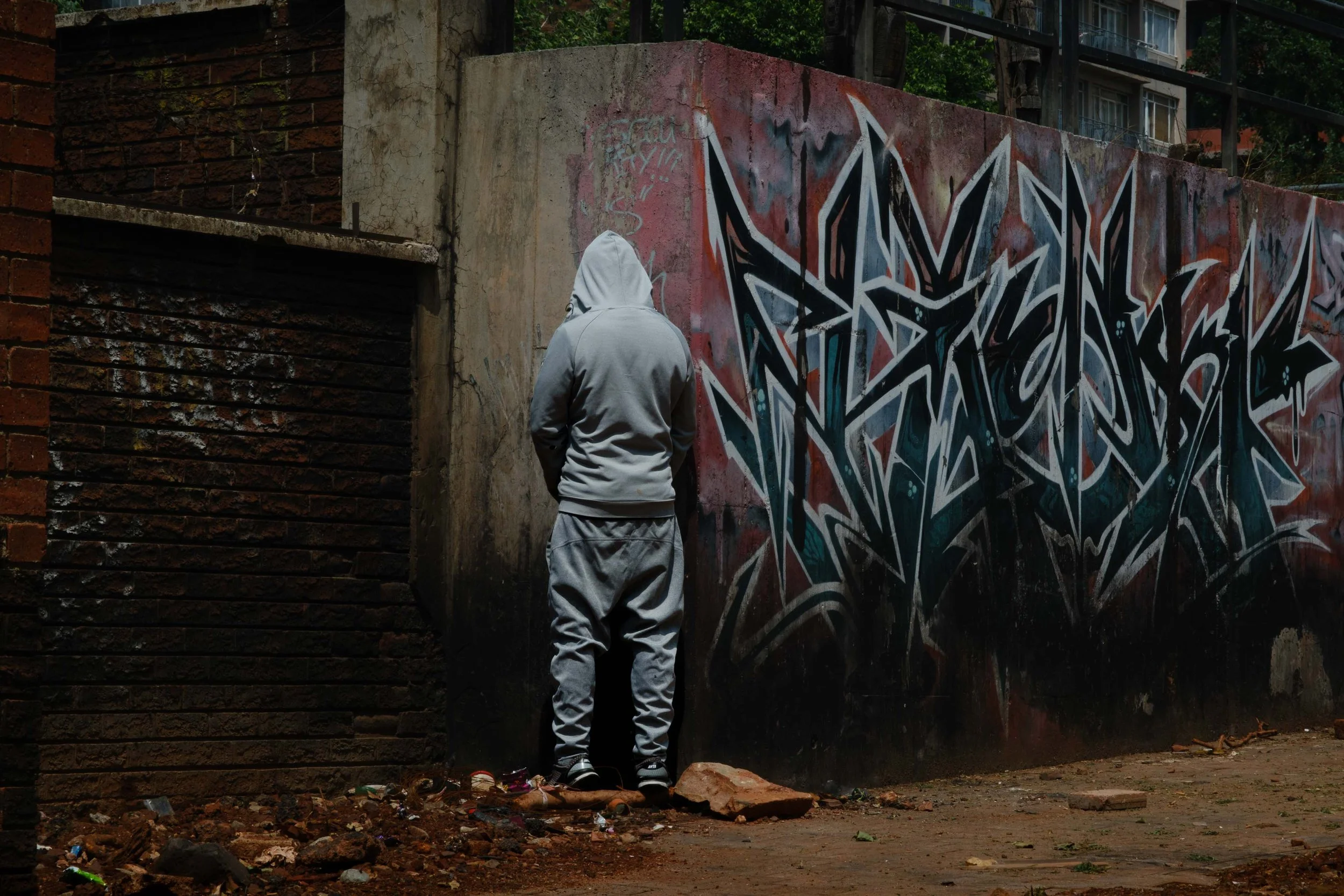
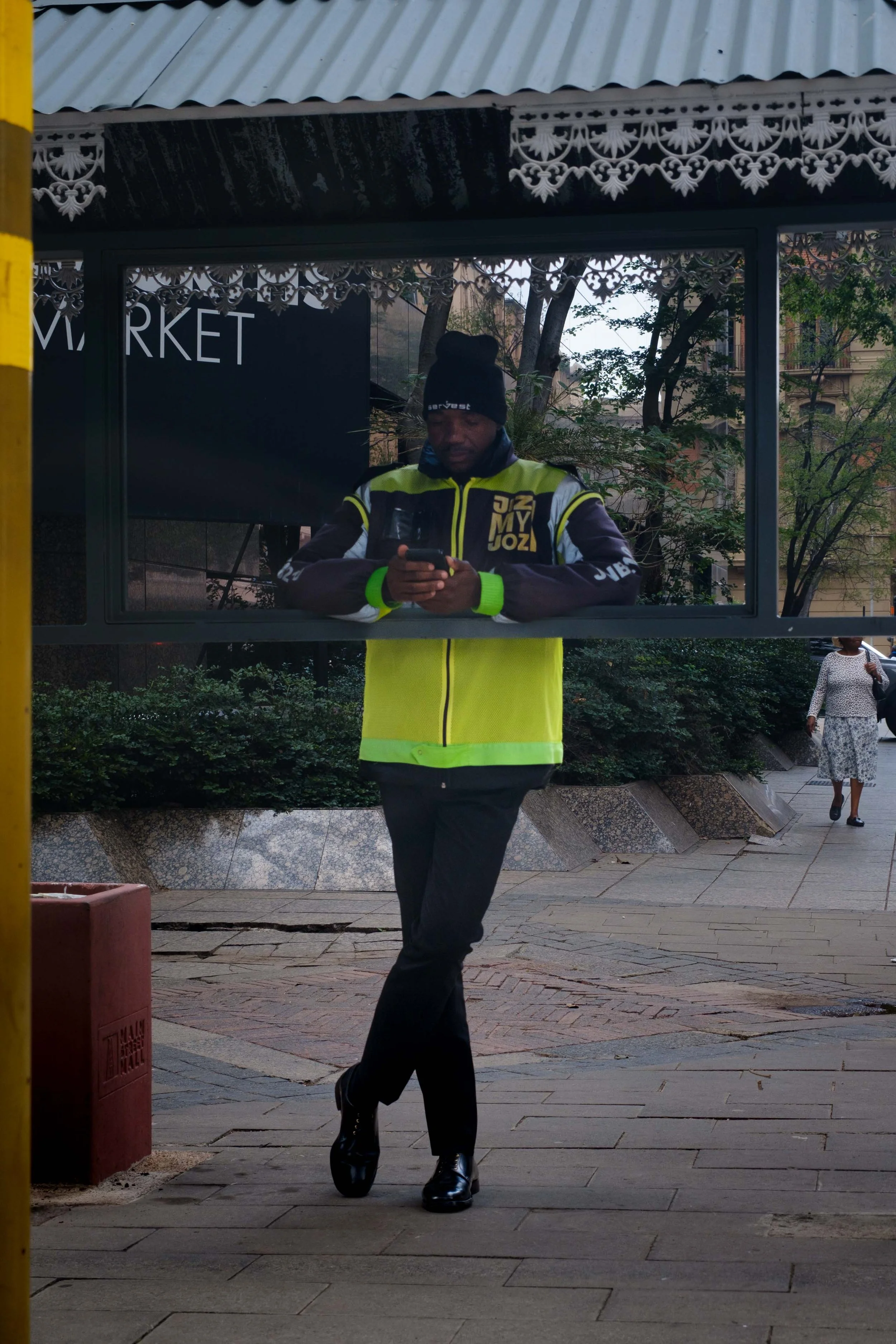
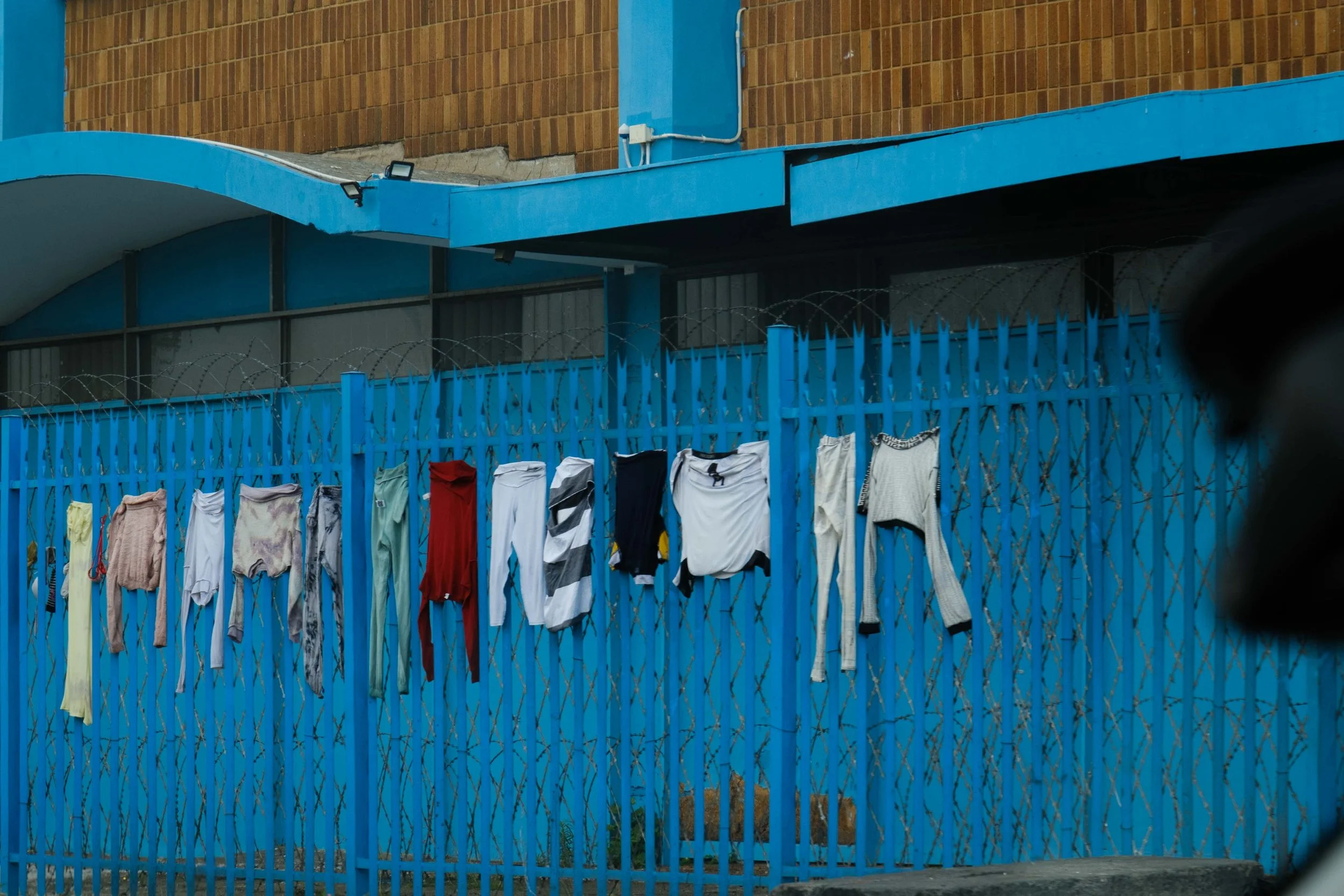
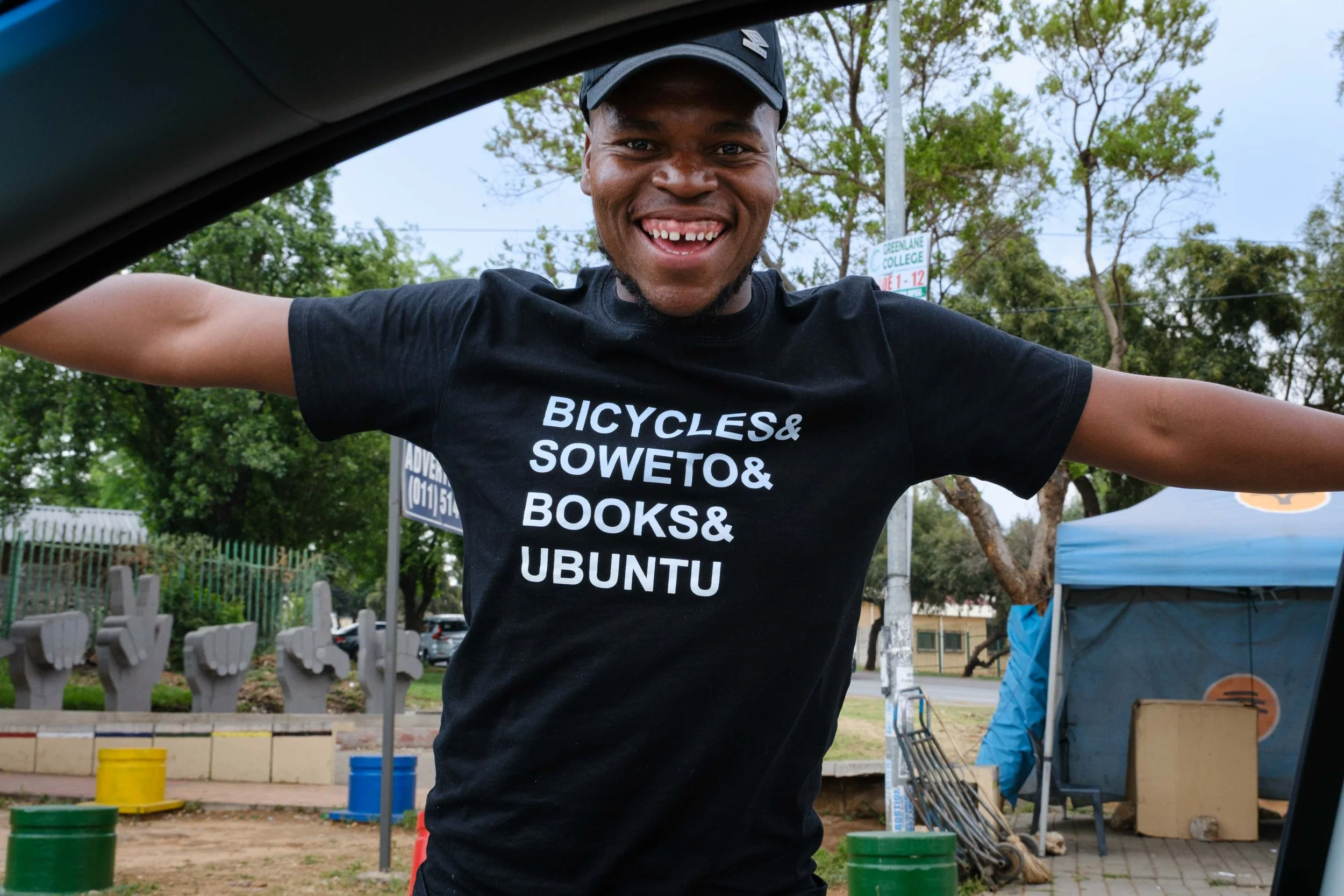
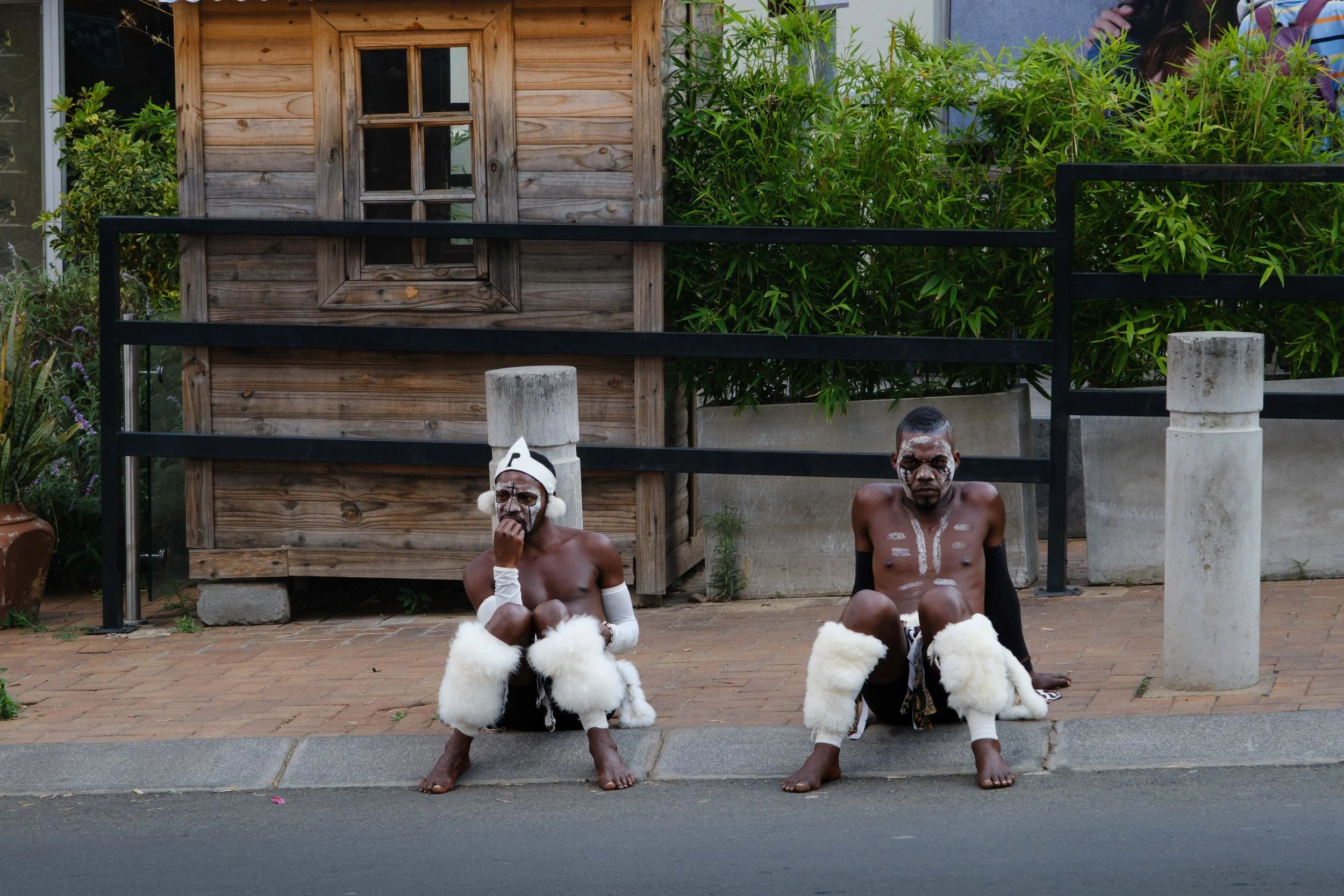
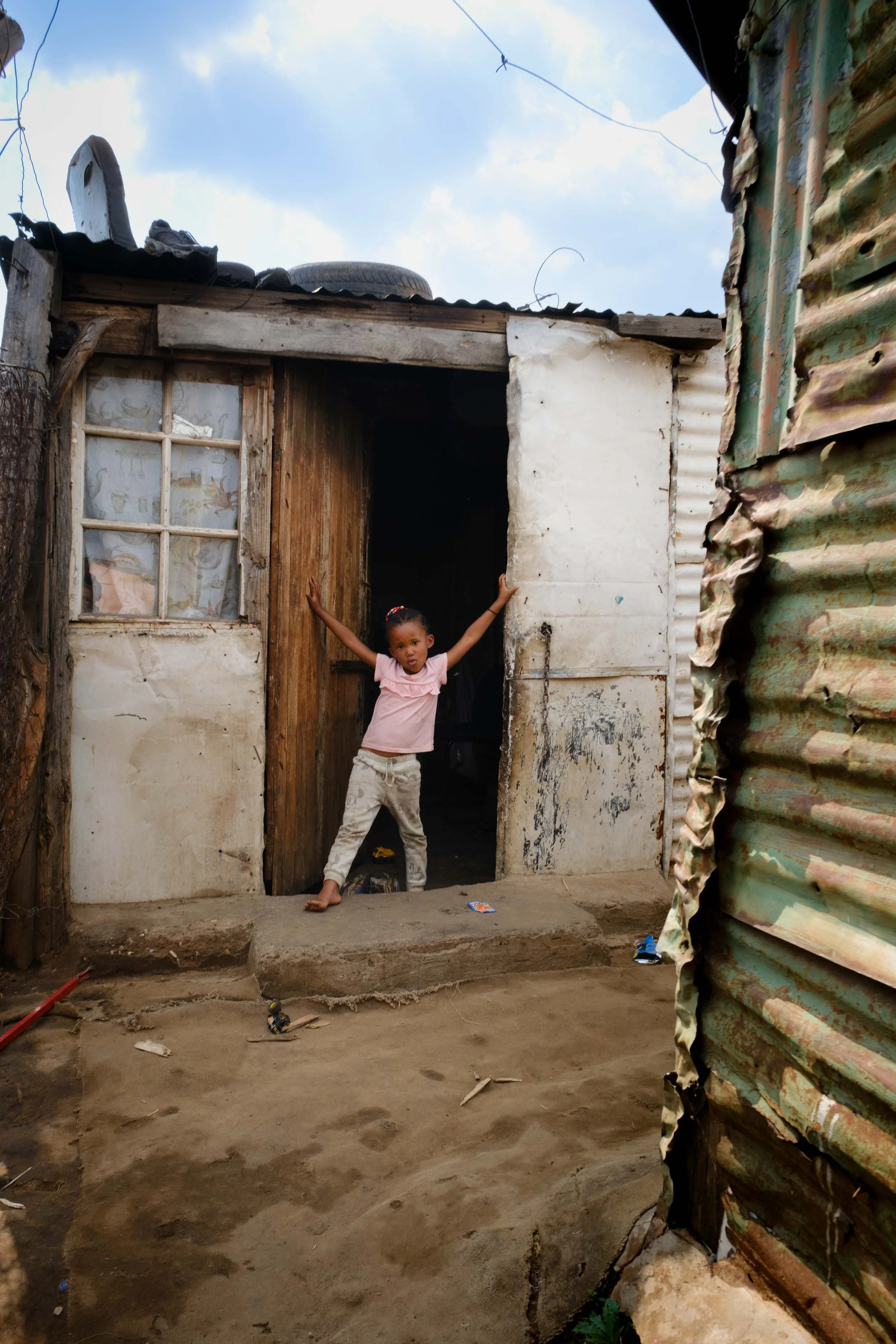
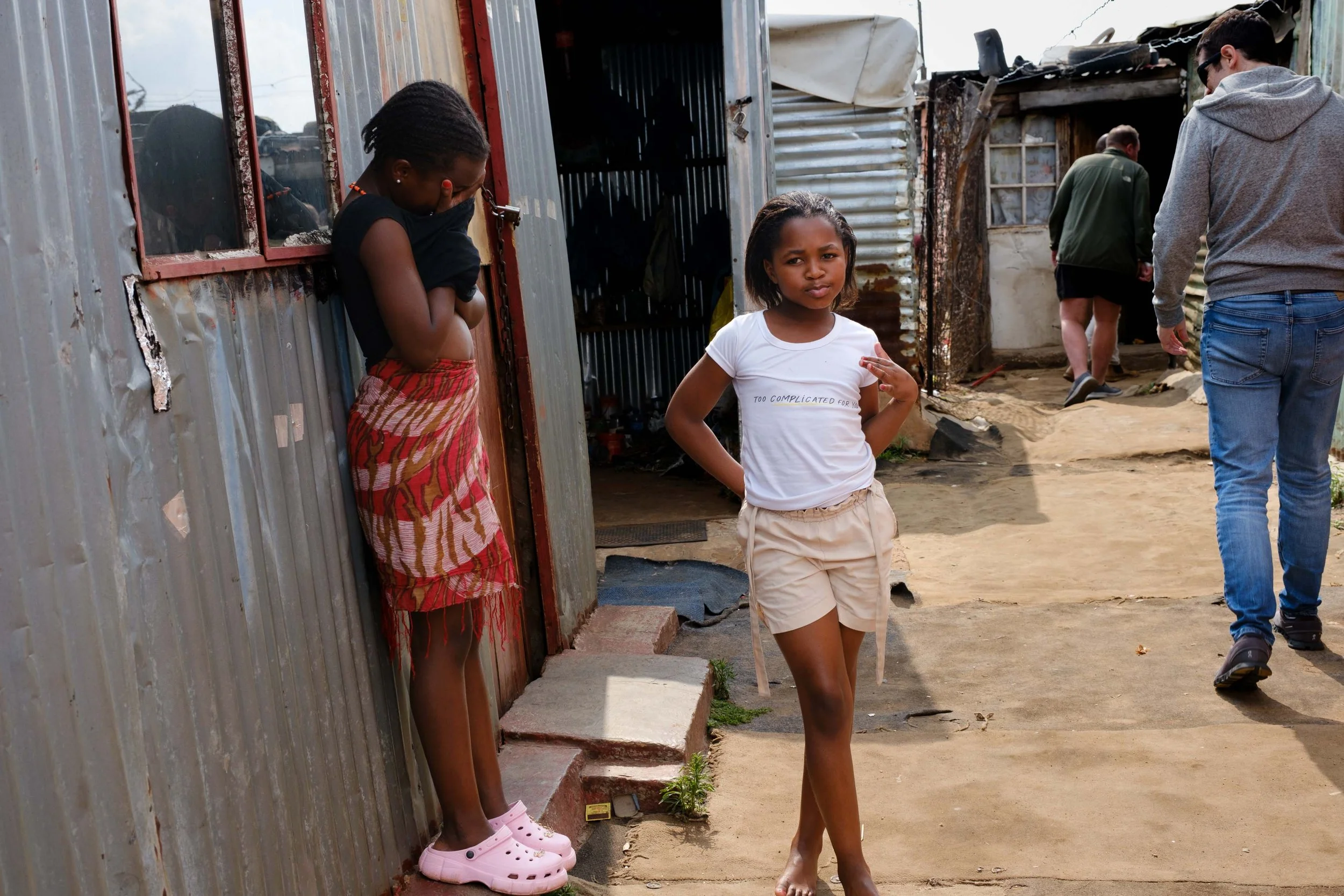
“Let’s play a game,” our guide, Banele, said. “How many white people can you spot in the central business district?” I let out a nervous laugh, stunned by how casually he asked the question. But Banele wasn’t joking. He spoke about race with a kind of openness that caught me off guard. Not as history, not as something buried in the past—but as something still shaping the present. The same tensions, just wearing different clothes. Johannesburg was once called the City of Gold. But what struck me wasn’t the shine—it was the contrast. Security fences lined with electric wire and manicured lawns sit just blocks away from streets marked by addiction, where people drift in and out of consciousness. Their minibus taxis, nicknamed “moving coffins,” fly through the streets packed with people despite everyone knowing how unsafe they are. Still, people rely on them everyday.
“It’s never one-sided,” Banele said. “There are good people and bad people—on every side.” It was simple. Honest. The kind of perspective that comes from someone who’s lived it—who found a way forward, who built something more for himself beyond where he started.
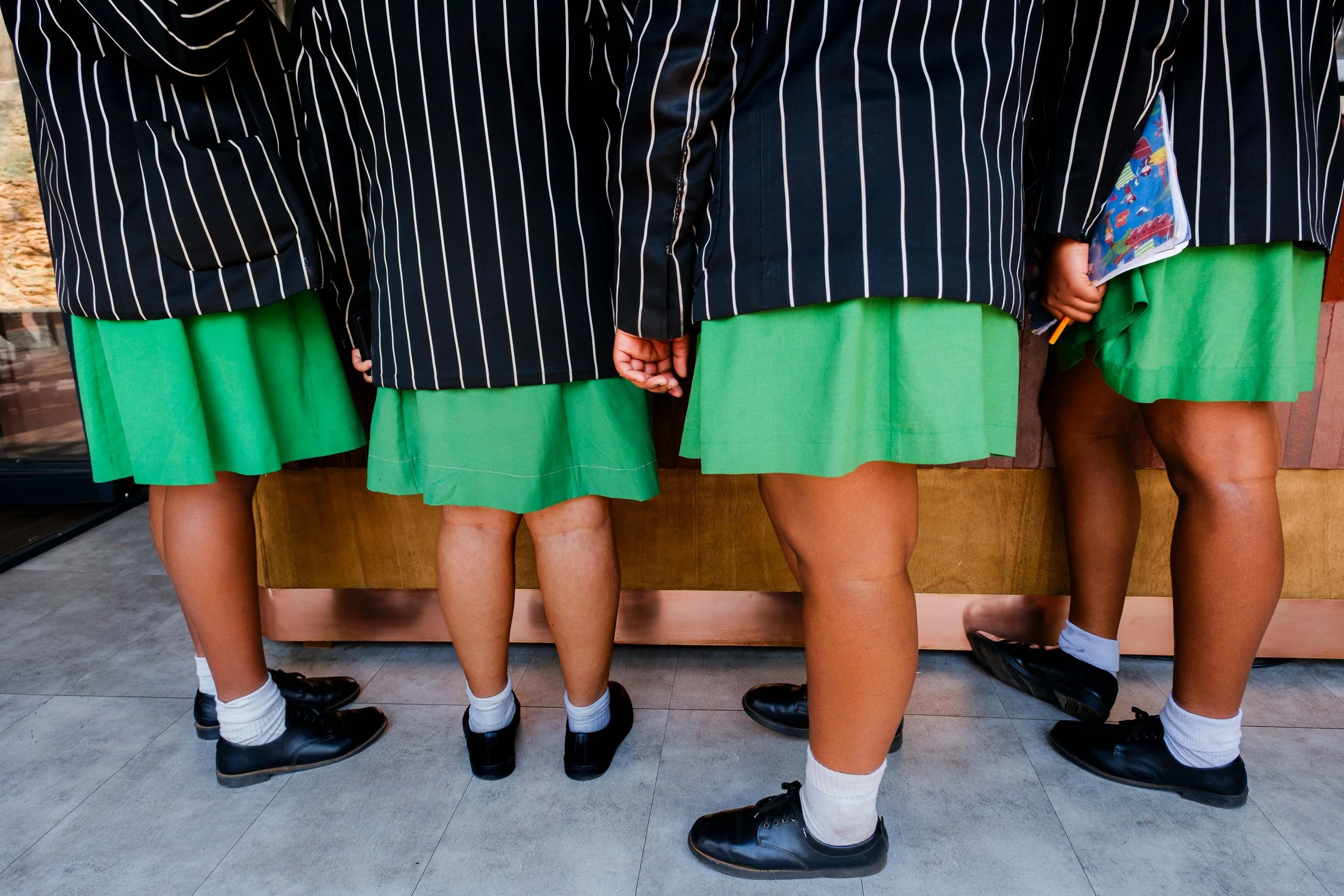
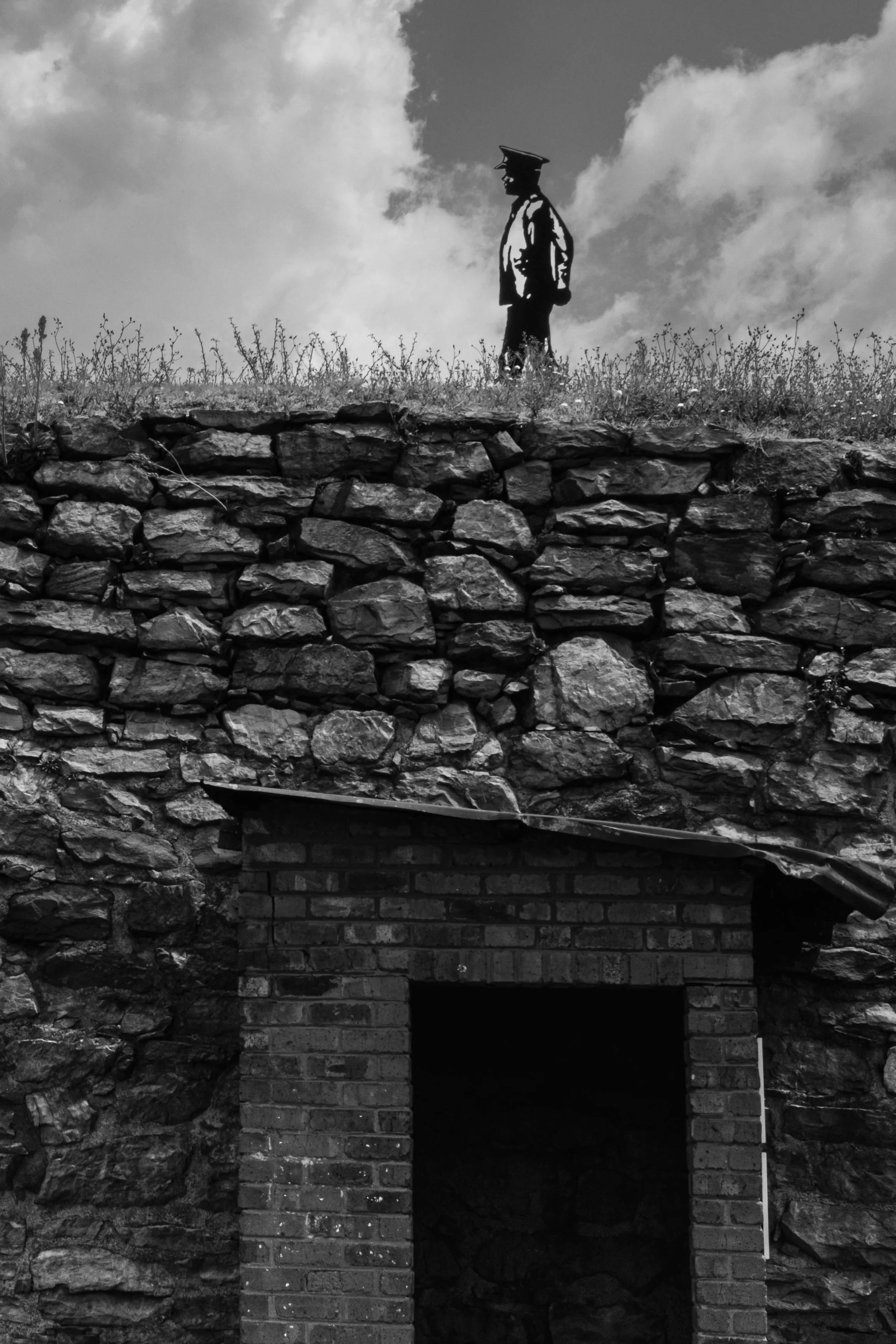
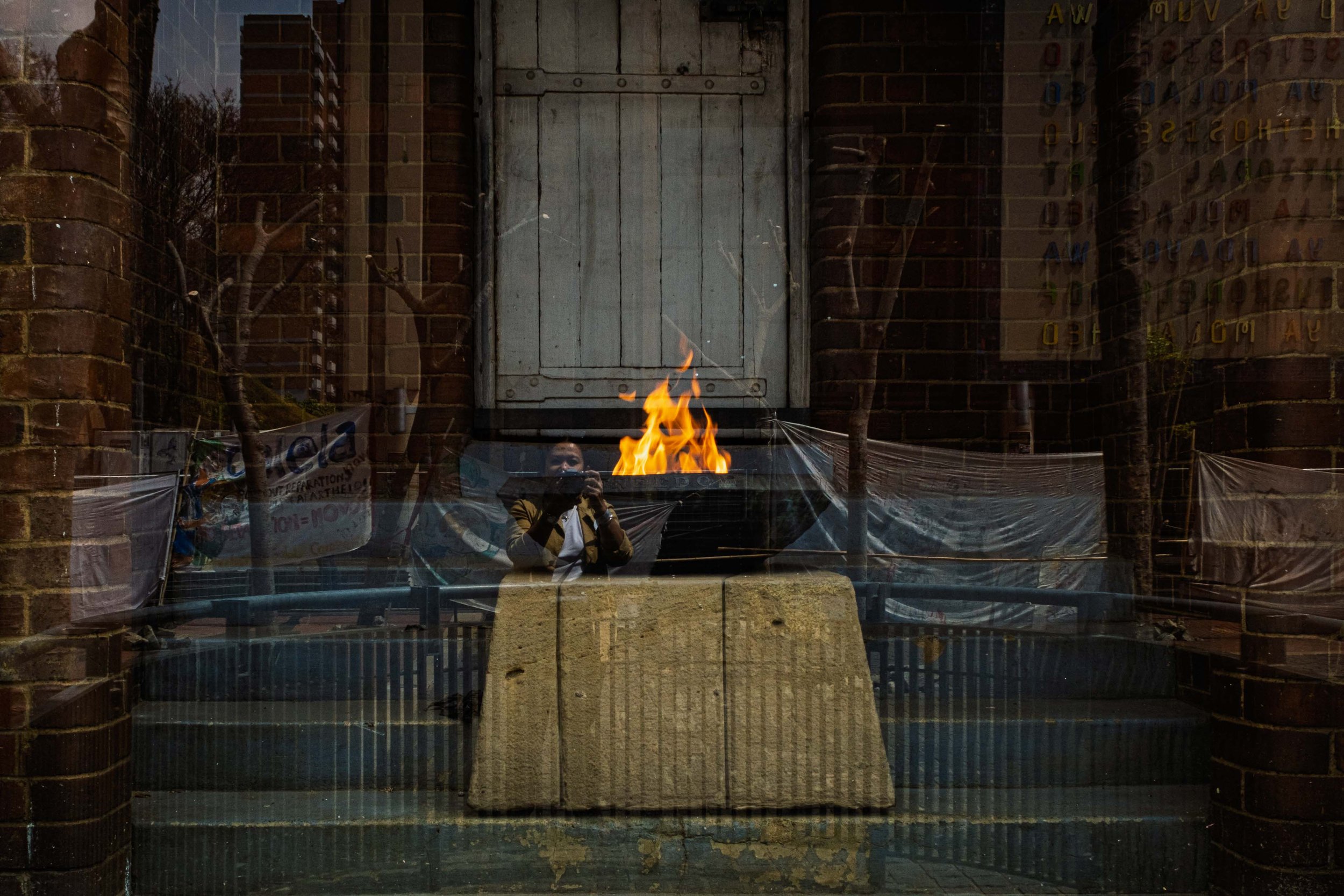
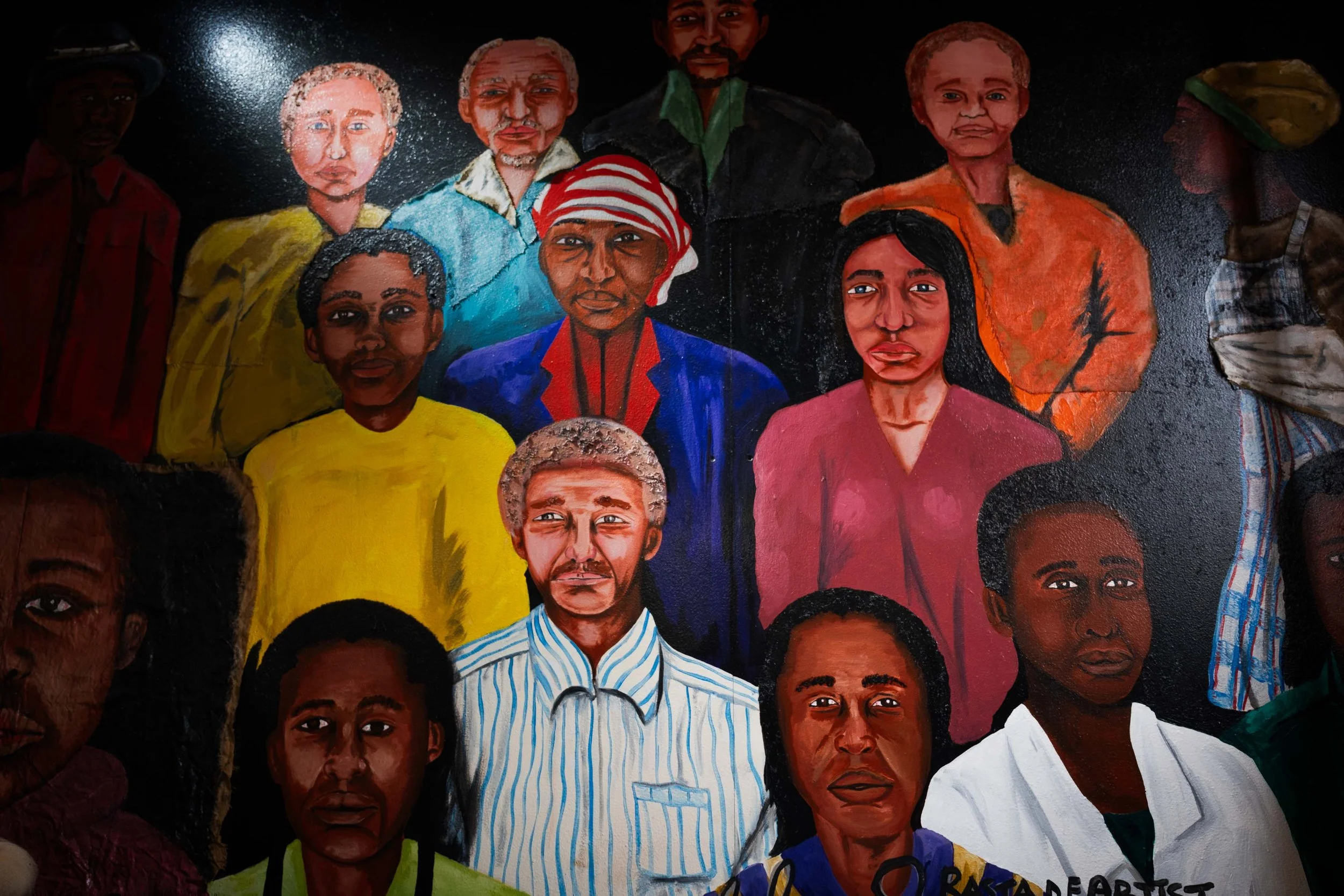
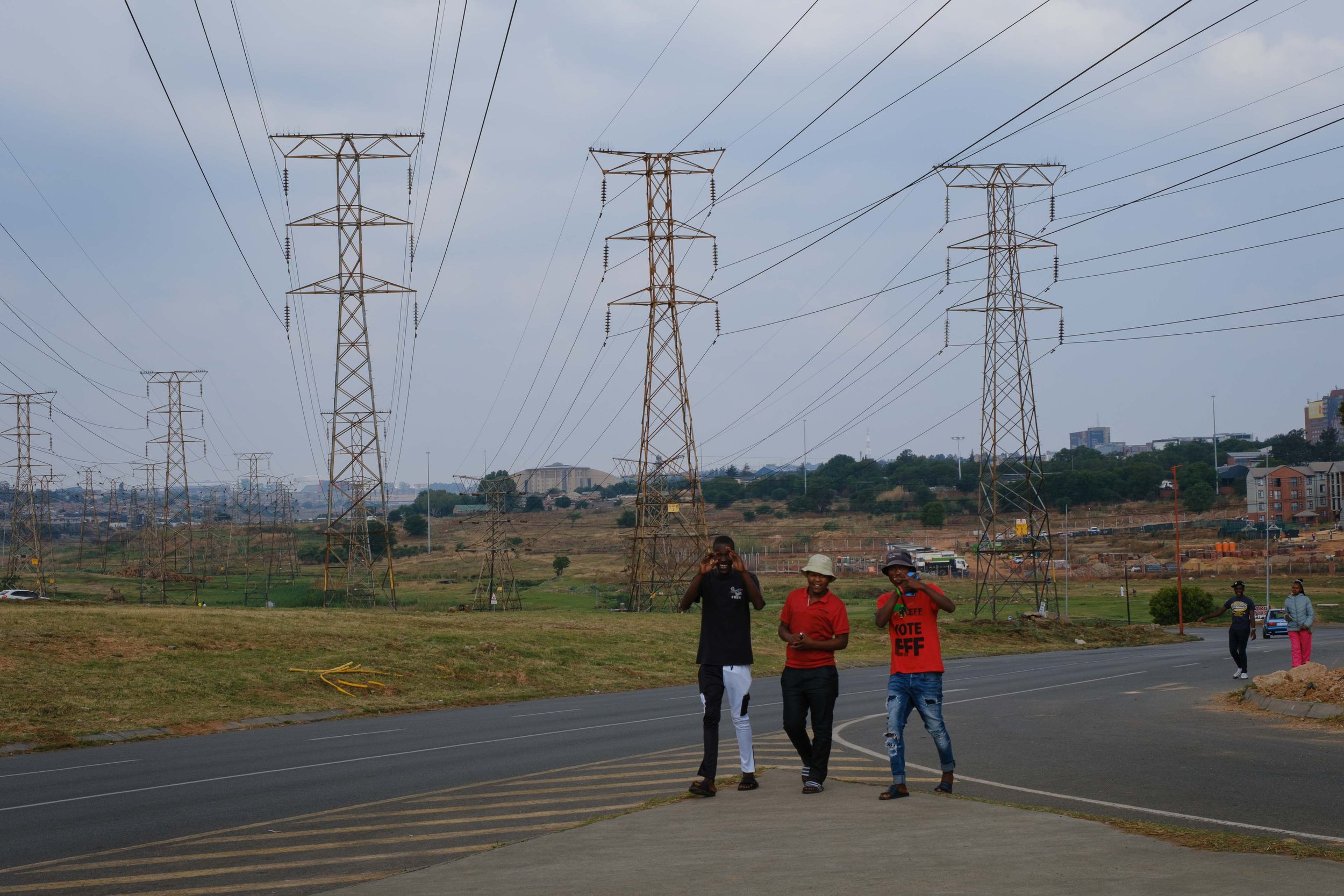
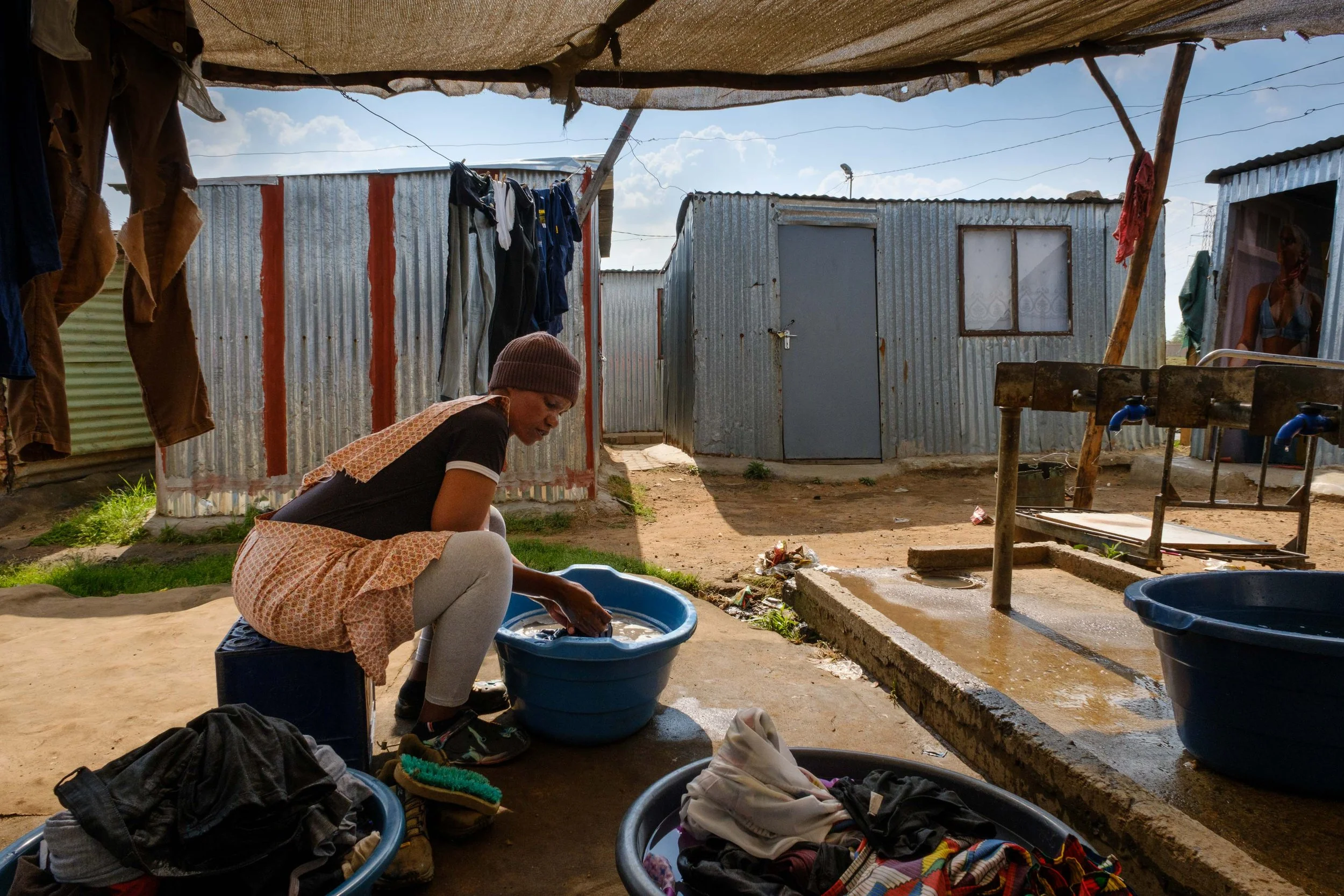
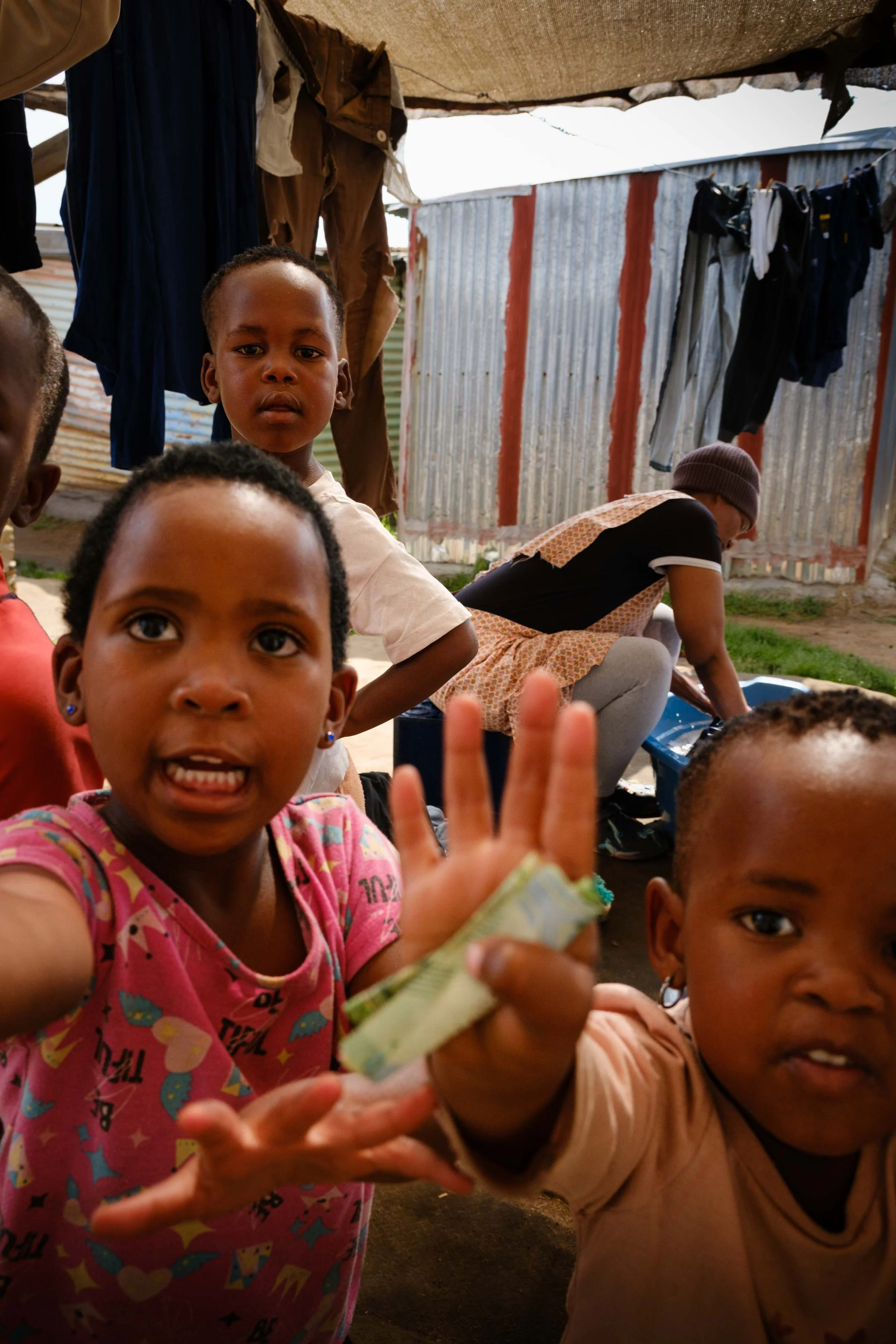
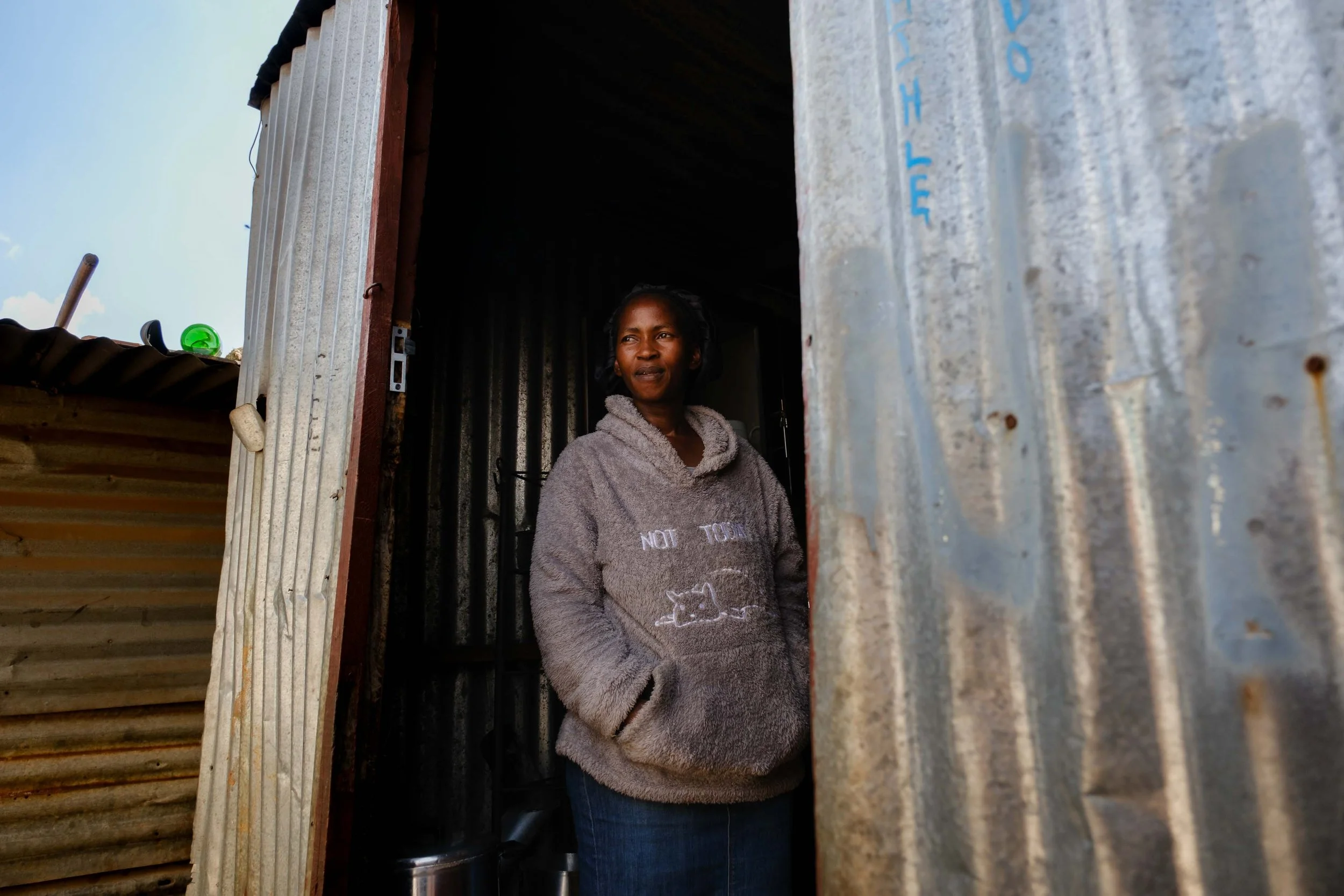
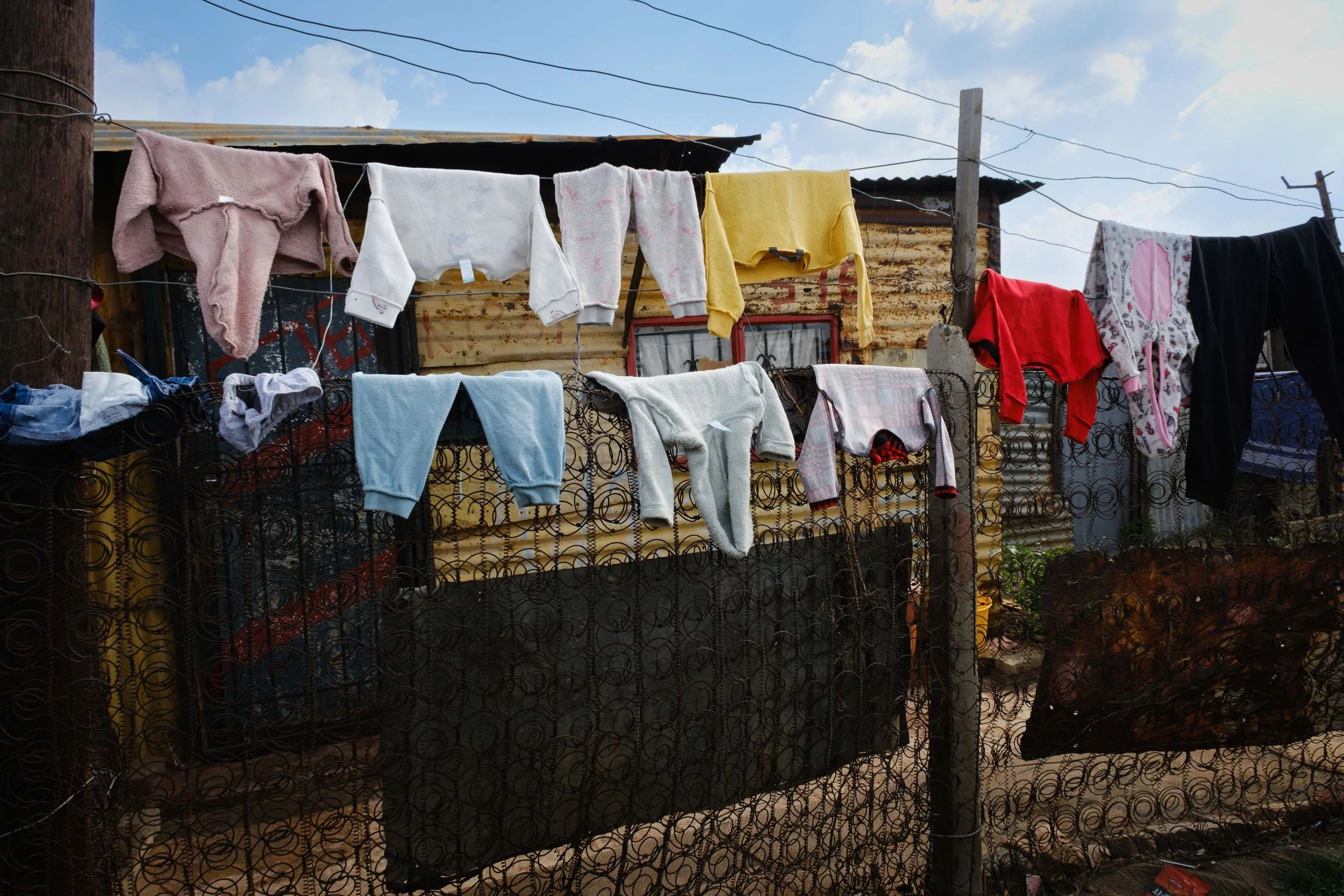
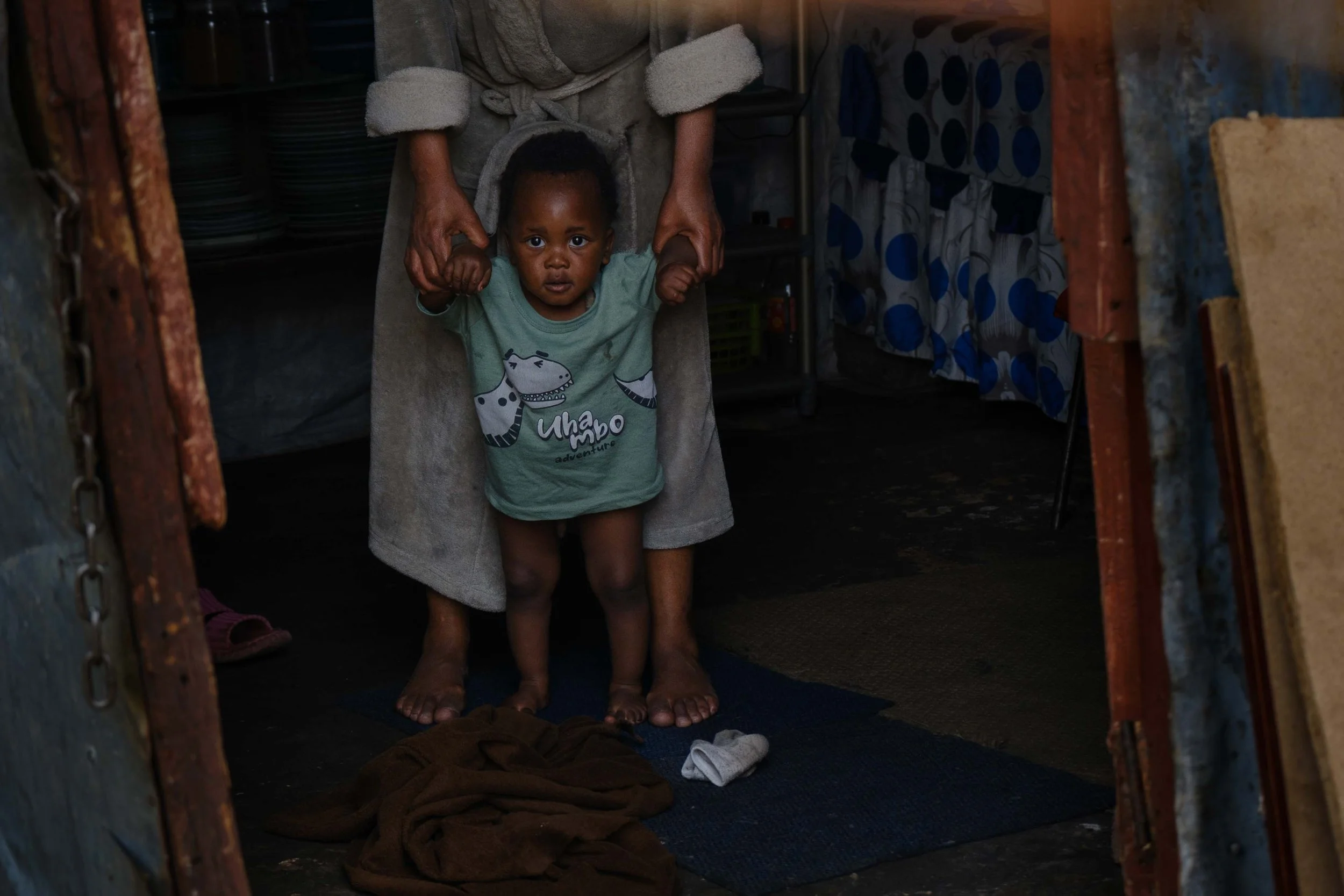
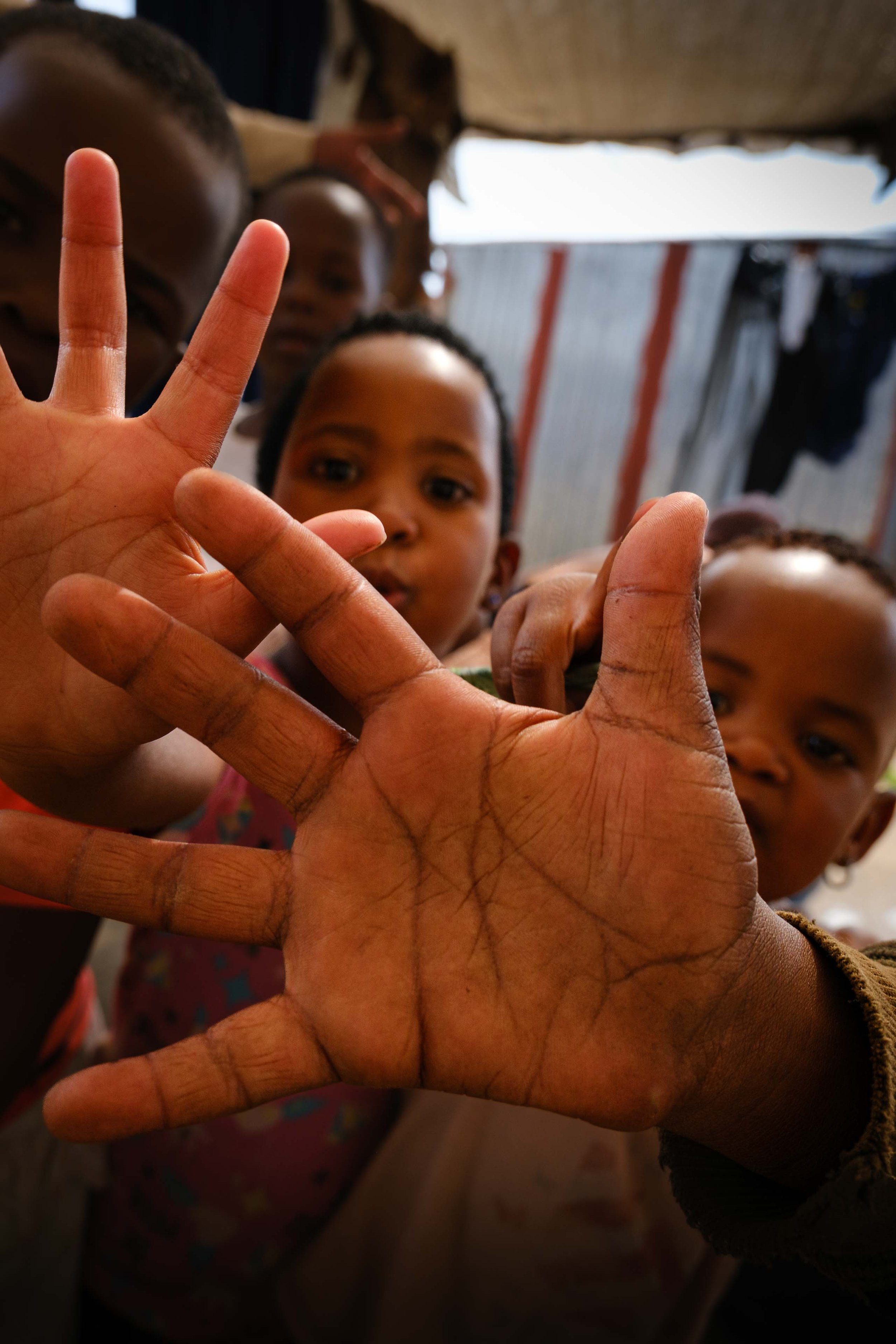
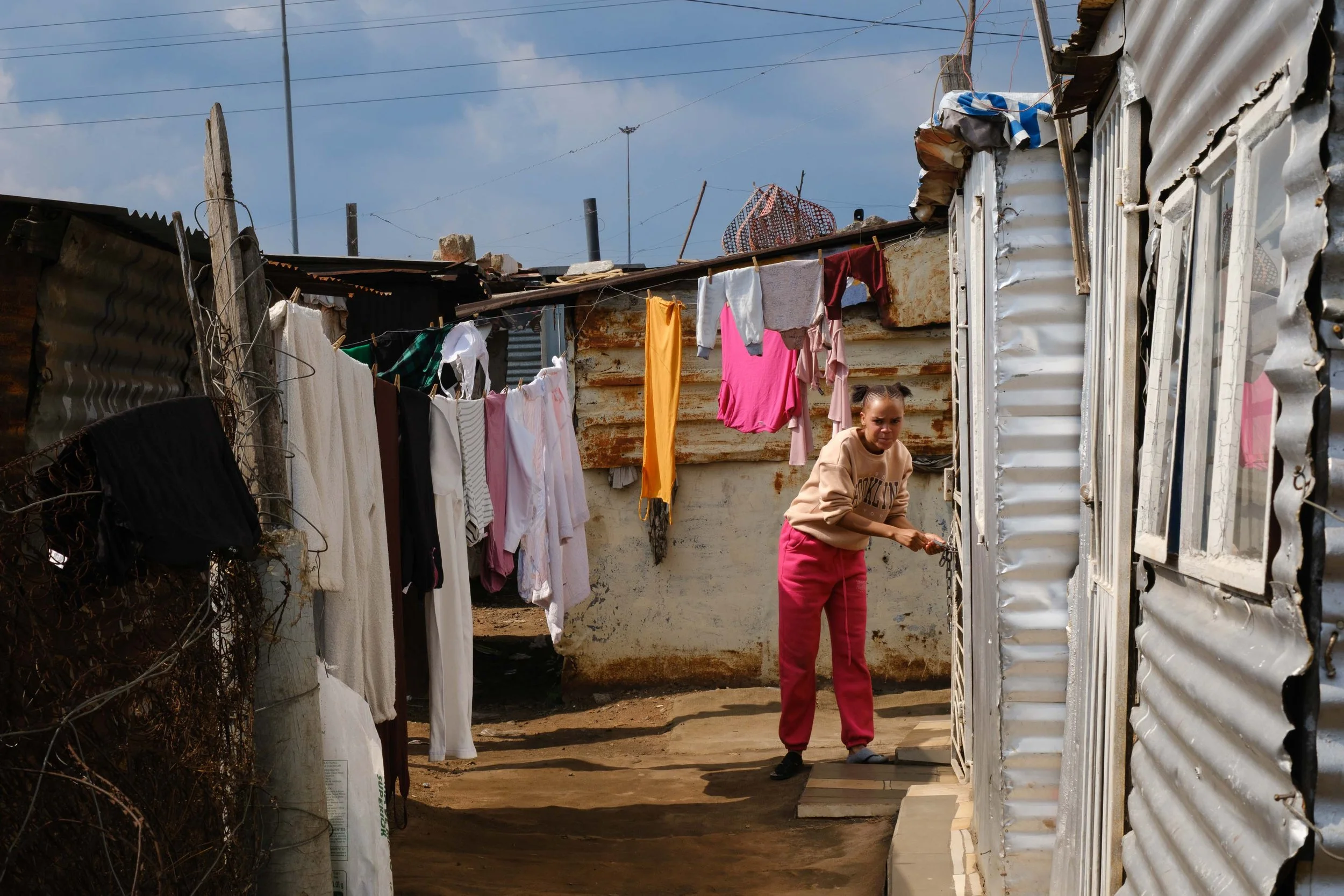
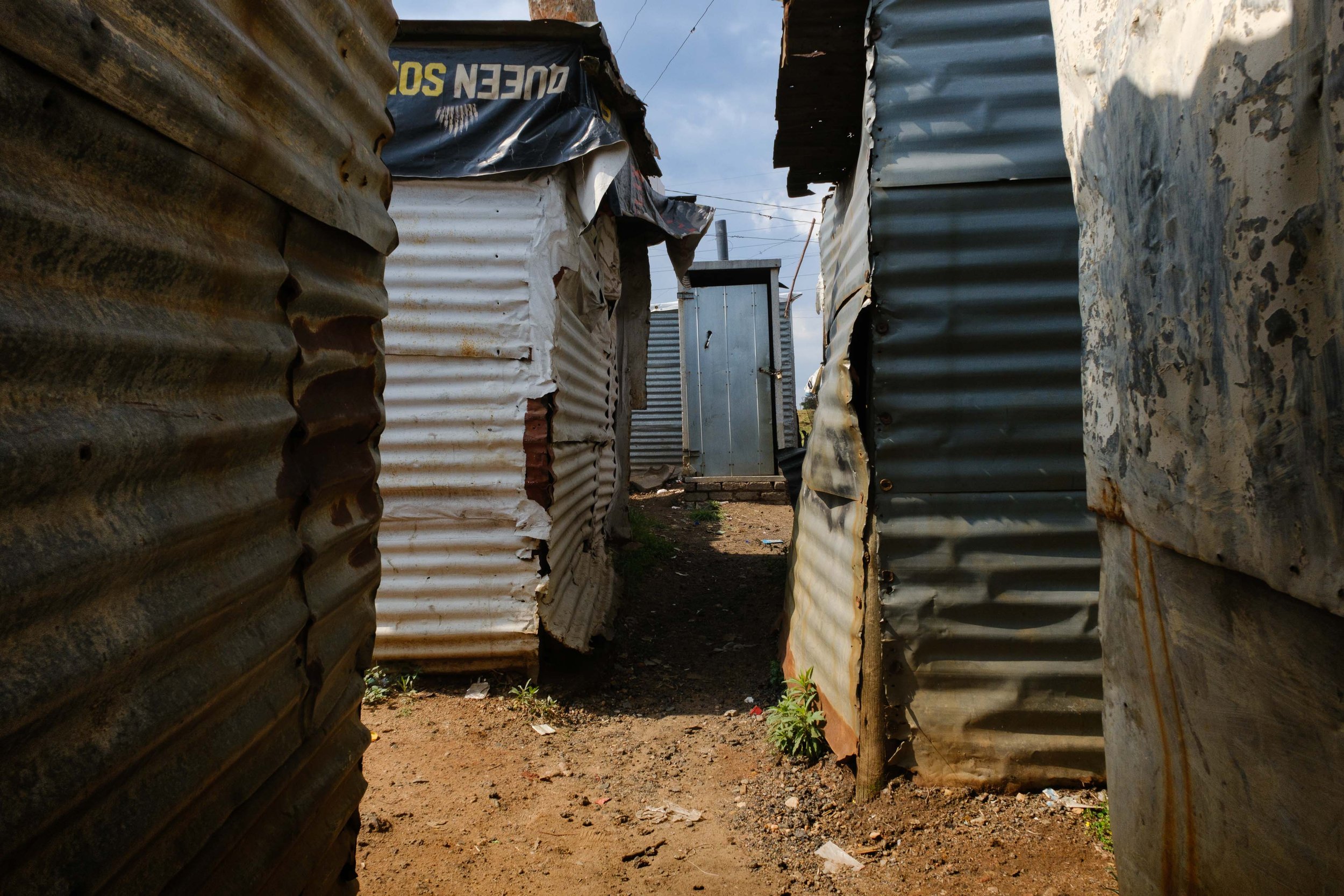
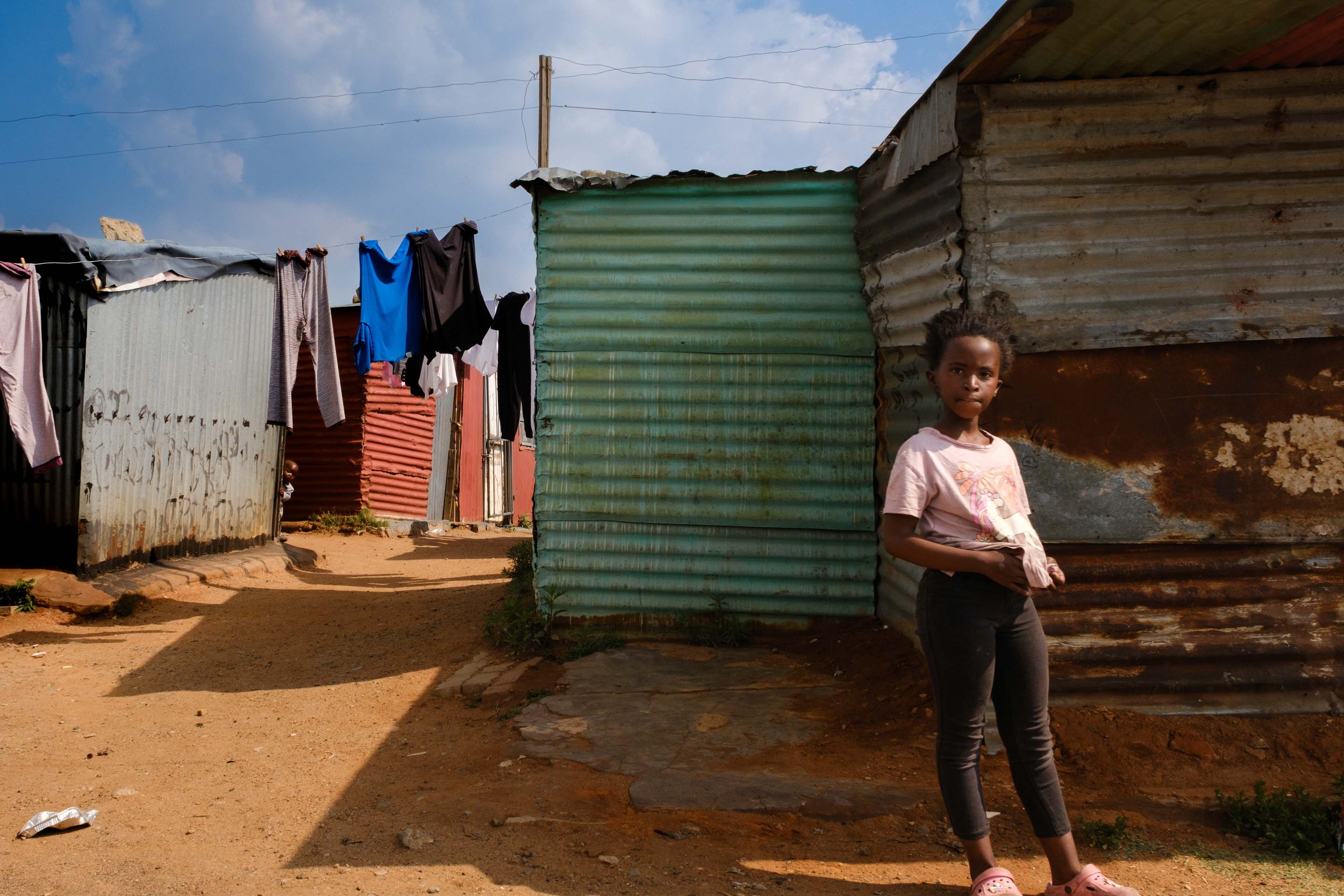
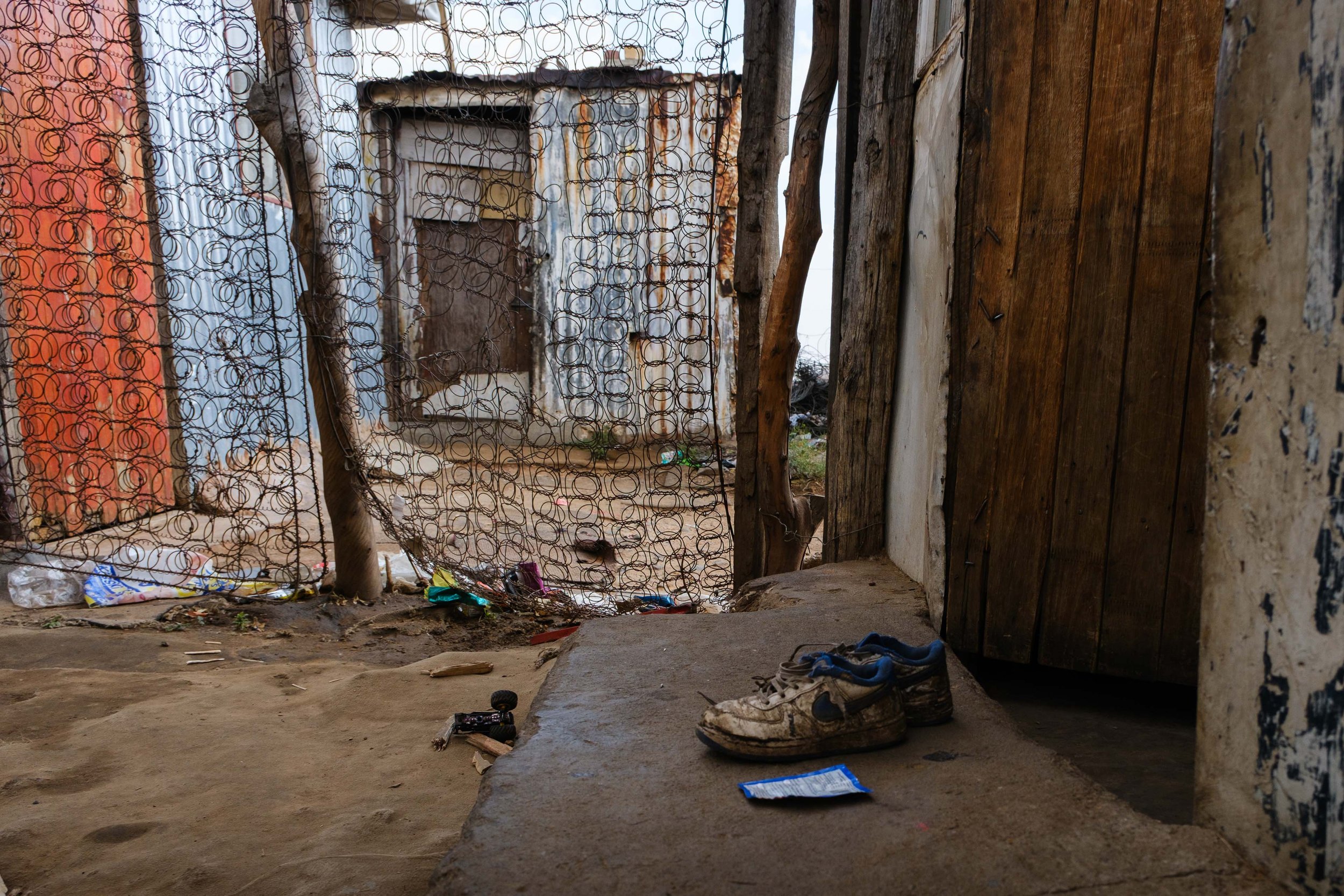
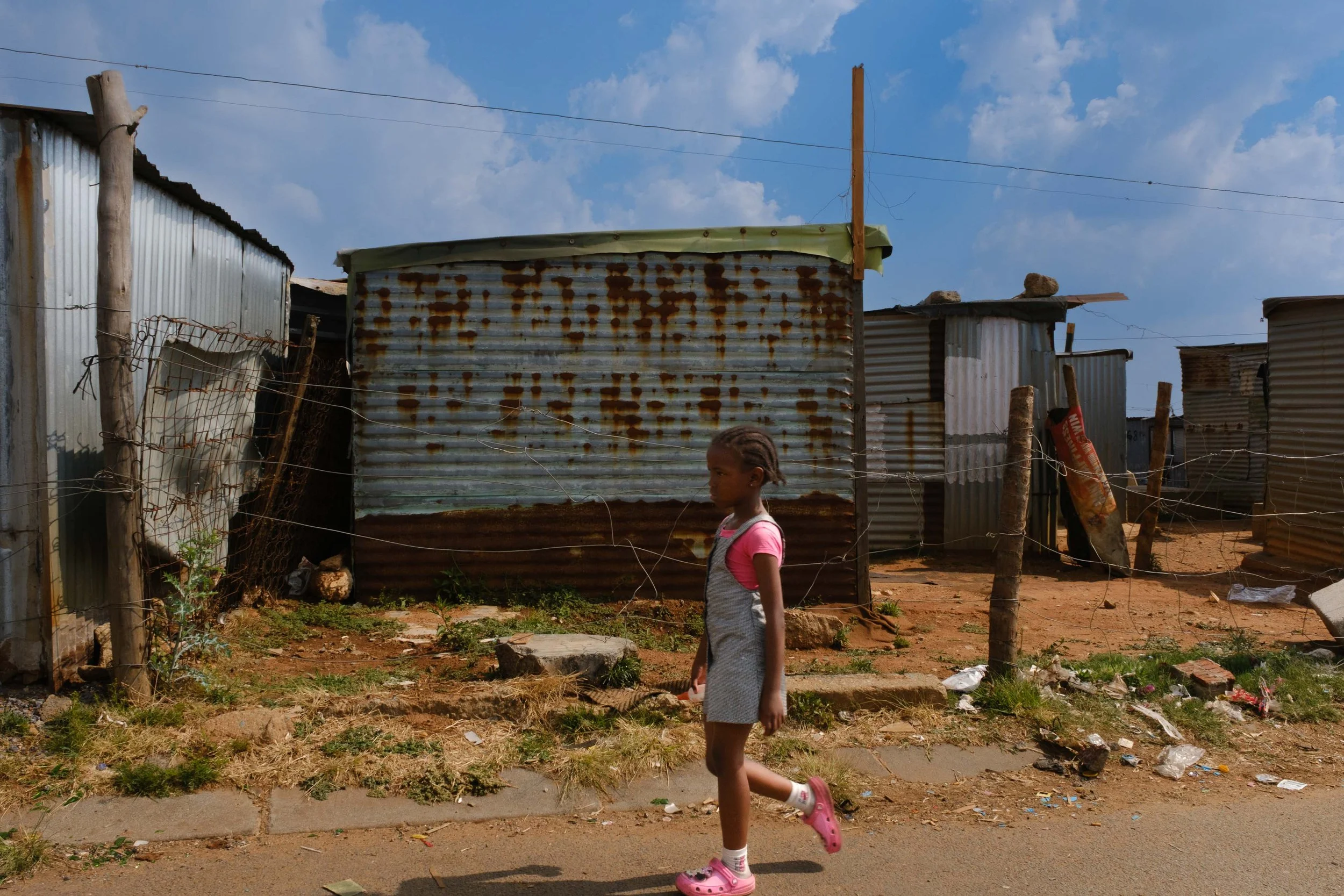
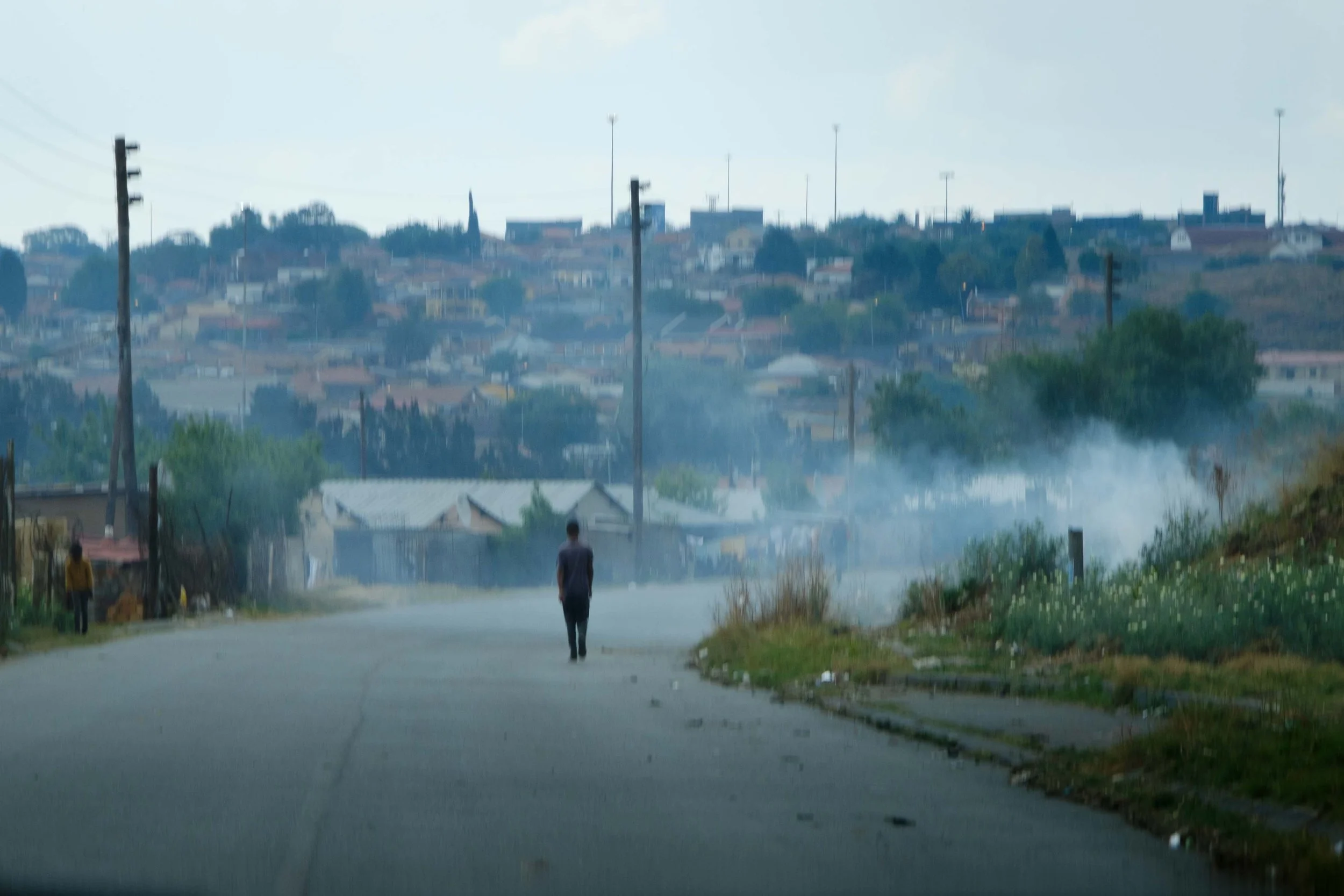
These images come from that tension—between hardship and movement, struggle and survival. Johannesburg and Soweto don’t offer easy narratives. But they do tell the truth, if you’re willing to see it.