
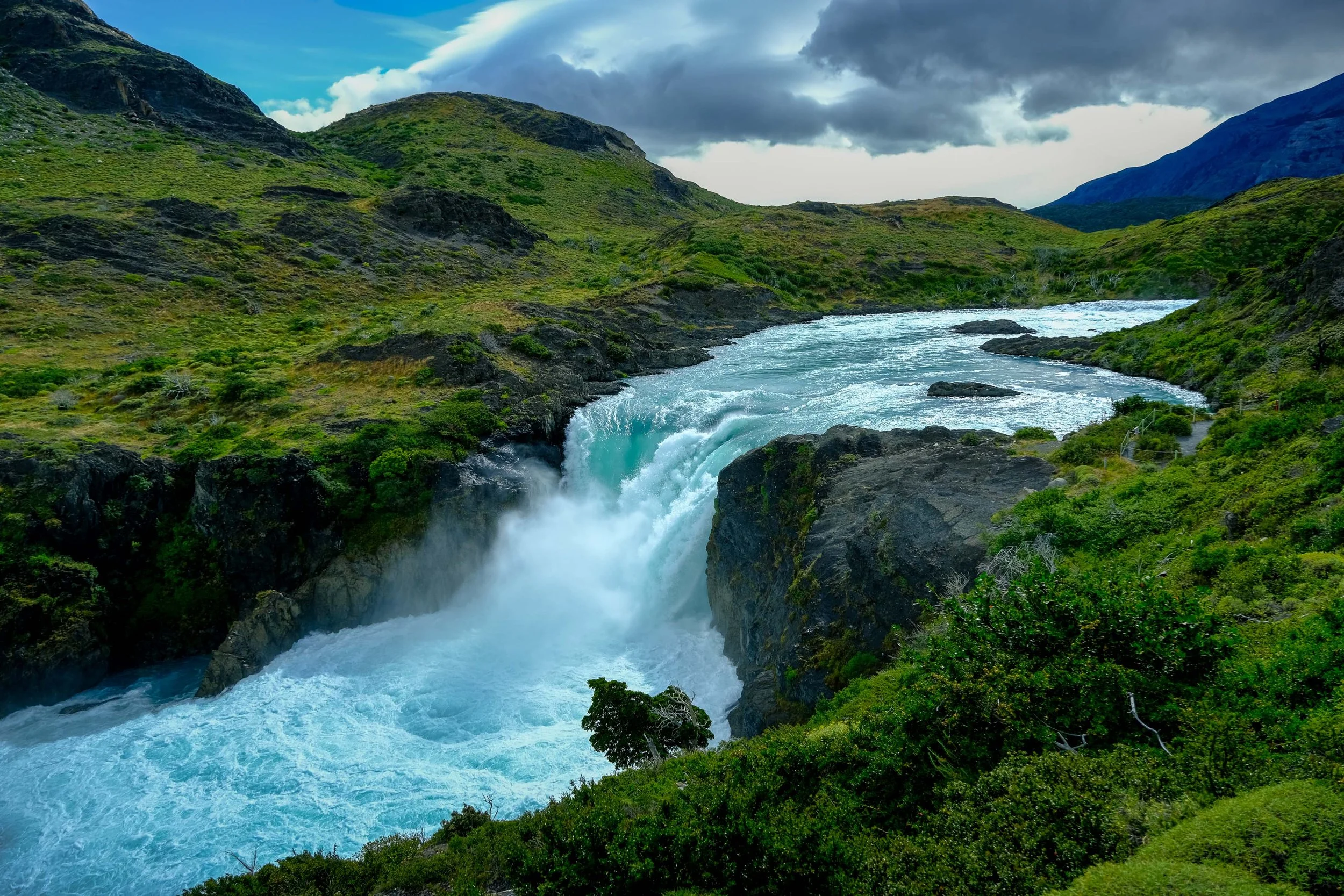
10 things you need to know about the Chilean Patagonia
Best time to visit is Patagonia’s summer—November to March—which is the most popular time to go, offering milder weather and open trails. October & April (shoulder seasons) are great for fewer crowds, but come with more volatile weather. May to September is winter, ideal for snow sports but not for hiking, as many trails and lodges close.
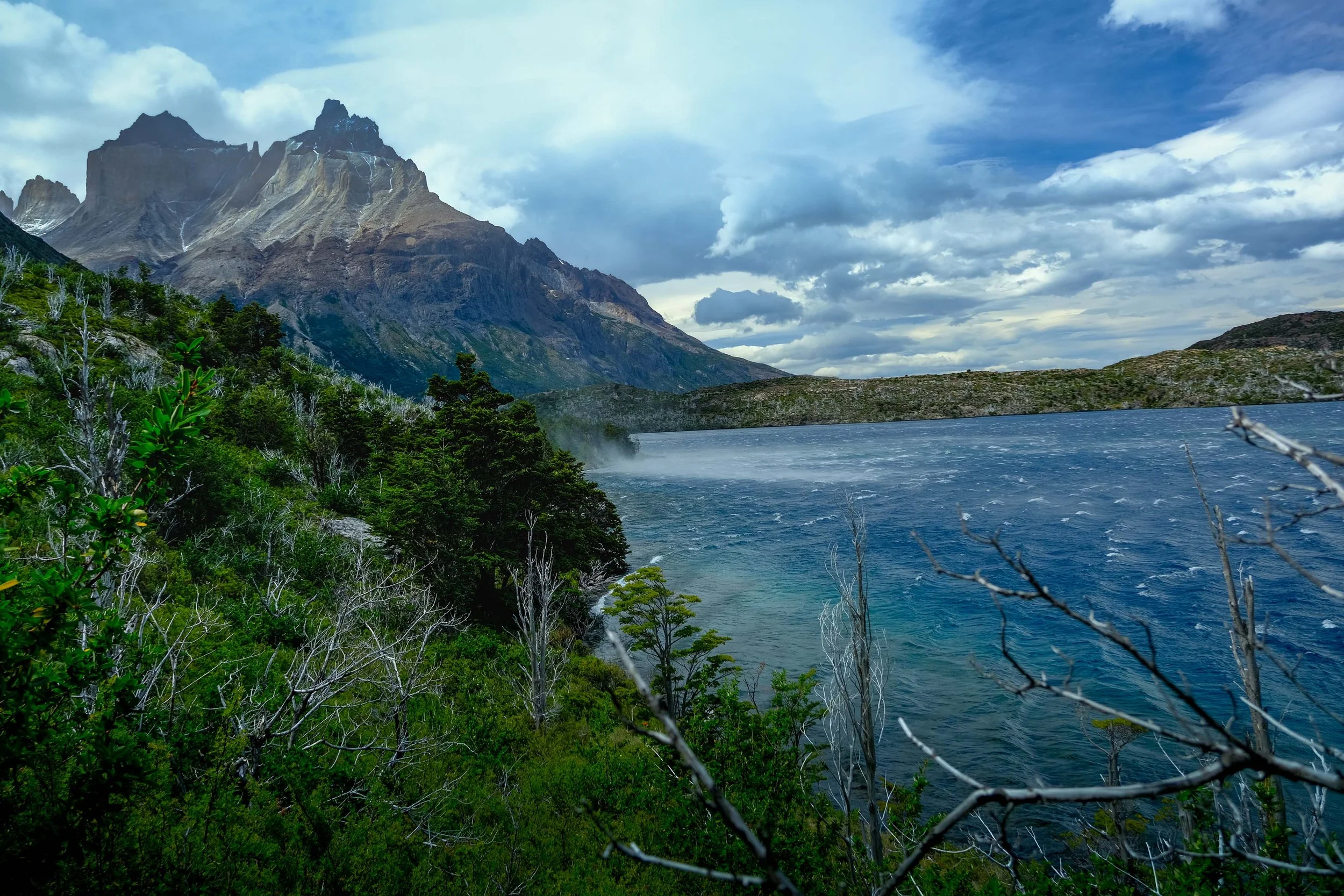
Prepare for wild, unpredictable weather. The weather in Patagonia isn’t just unpredictable—it’s legitimately chaotic. Sunshine, torrential rain, gale-force winds, and snow flurries can all happen in a single day. NOTE: If you're waiting for the weather to "settle," you’ll be stuck in your hotel watching the days disappear. You can try to time your hikes with the forecast—but the forecast changes every few hours (sometimes even quicker). Your best bet is to layer up, pack smart, and go anyway. Patagonia rewards those who show up despite the forecast. A windproof, waterproof jacket, thermal layers, weatherproof boots and hiking poles are non-negotiable.
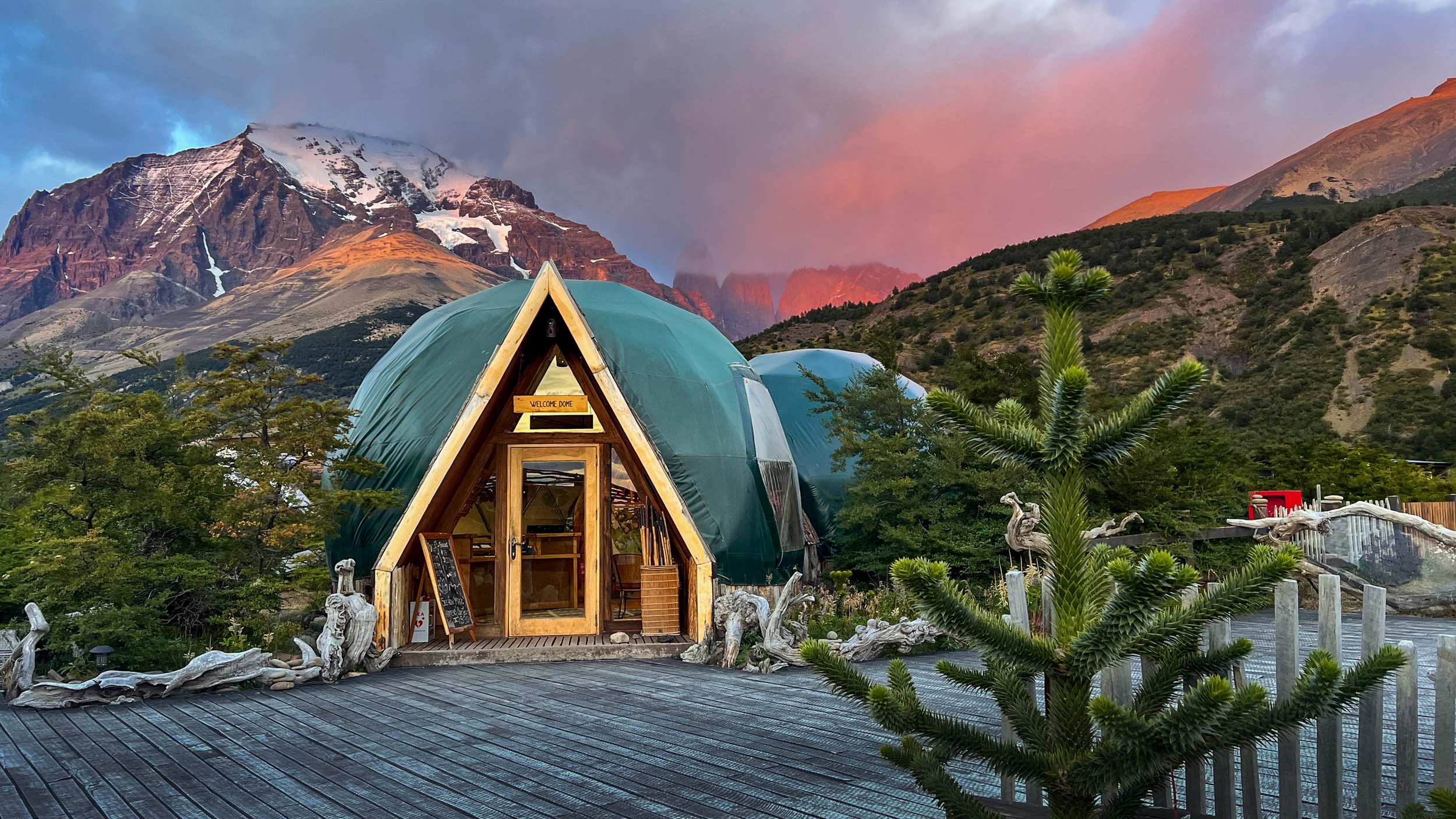
It’s expensive—especially on the Chilean side. Compared to the rest of South America, Patagonia is not cheap—and the further south you go, the more things tend to cost. Expect high prices for lodging, food, and excursions, especially if you're into glamping, eco-lodges, or guided hikes. Argentinian Patagonia (e.g., El Chaltén, El Calafate) is generally more budget-friendly than the Chilean side (e.g., Torres del Paine, Puerto Natales).
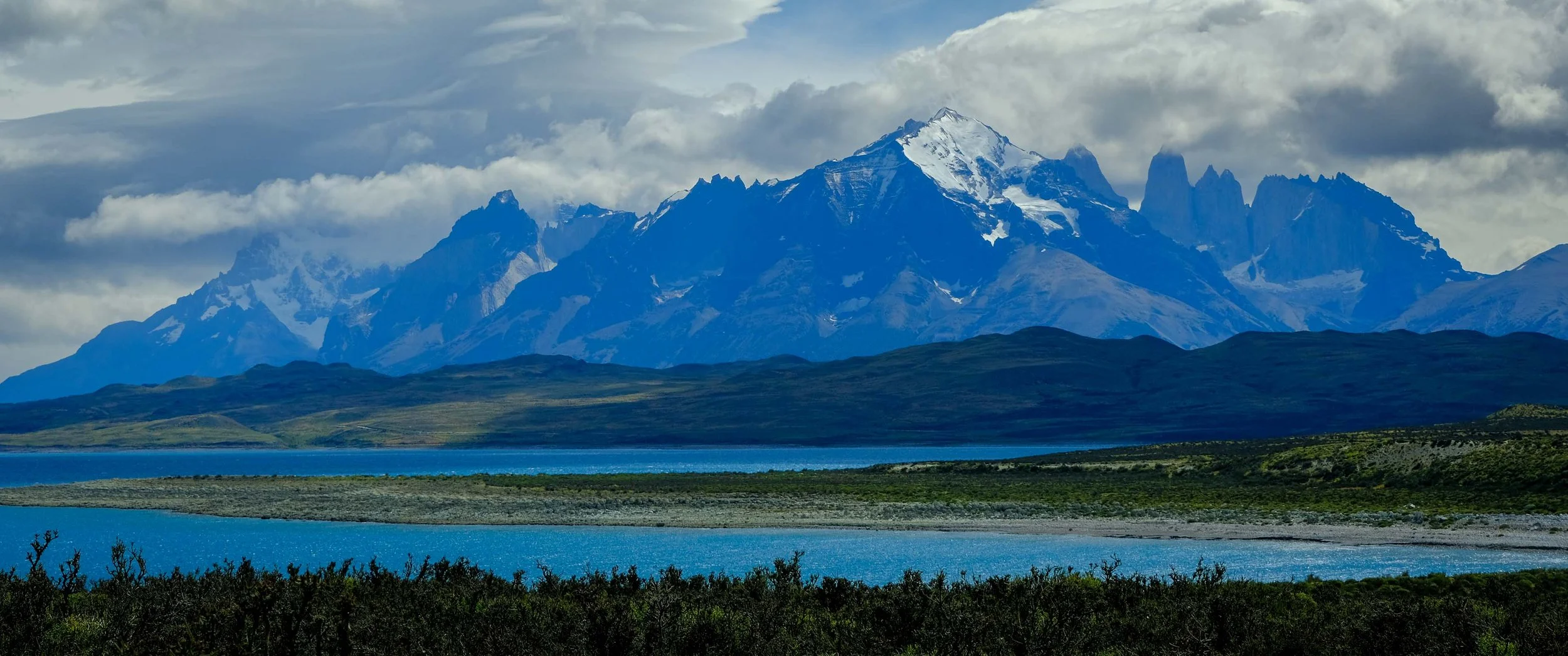
Patagonia is massive. You can spend a whole month there and still not see everything, so plan your route thoughtfully. Patagonia spans over 400,000 square miles across Chile and Argentina. You can’t “see it all” in one trip, so choose your regions wisely:
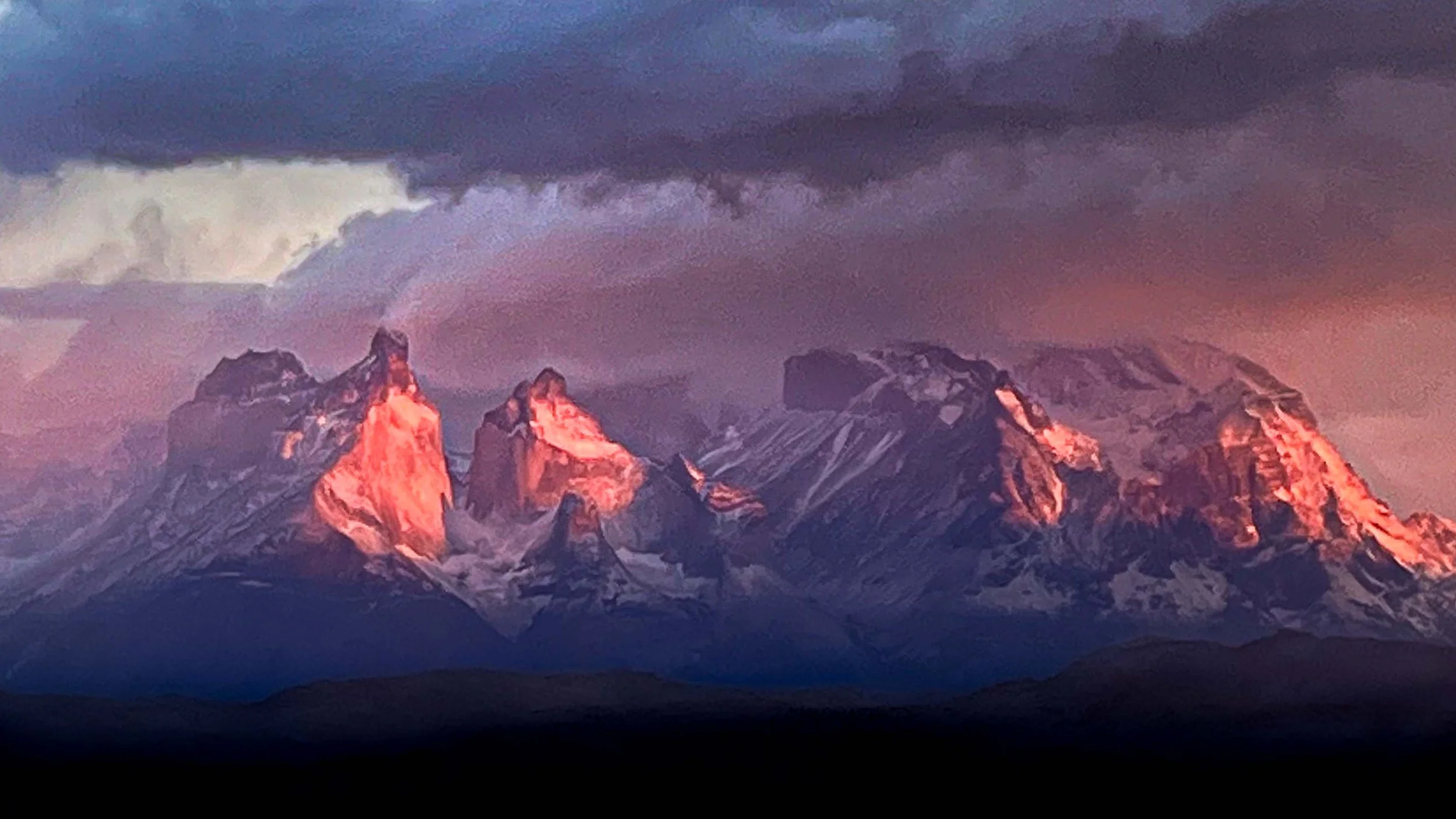
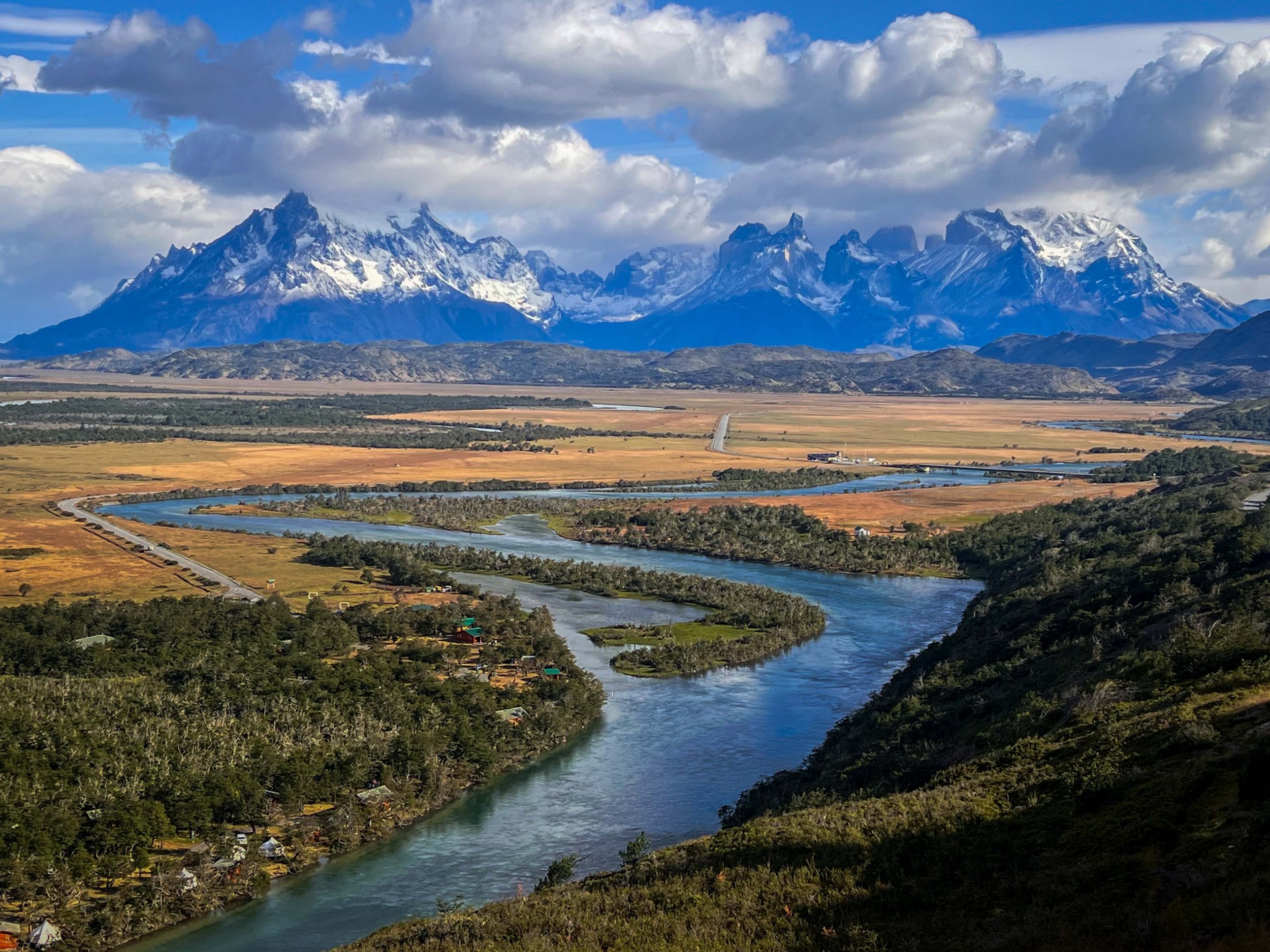
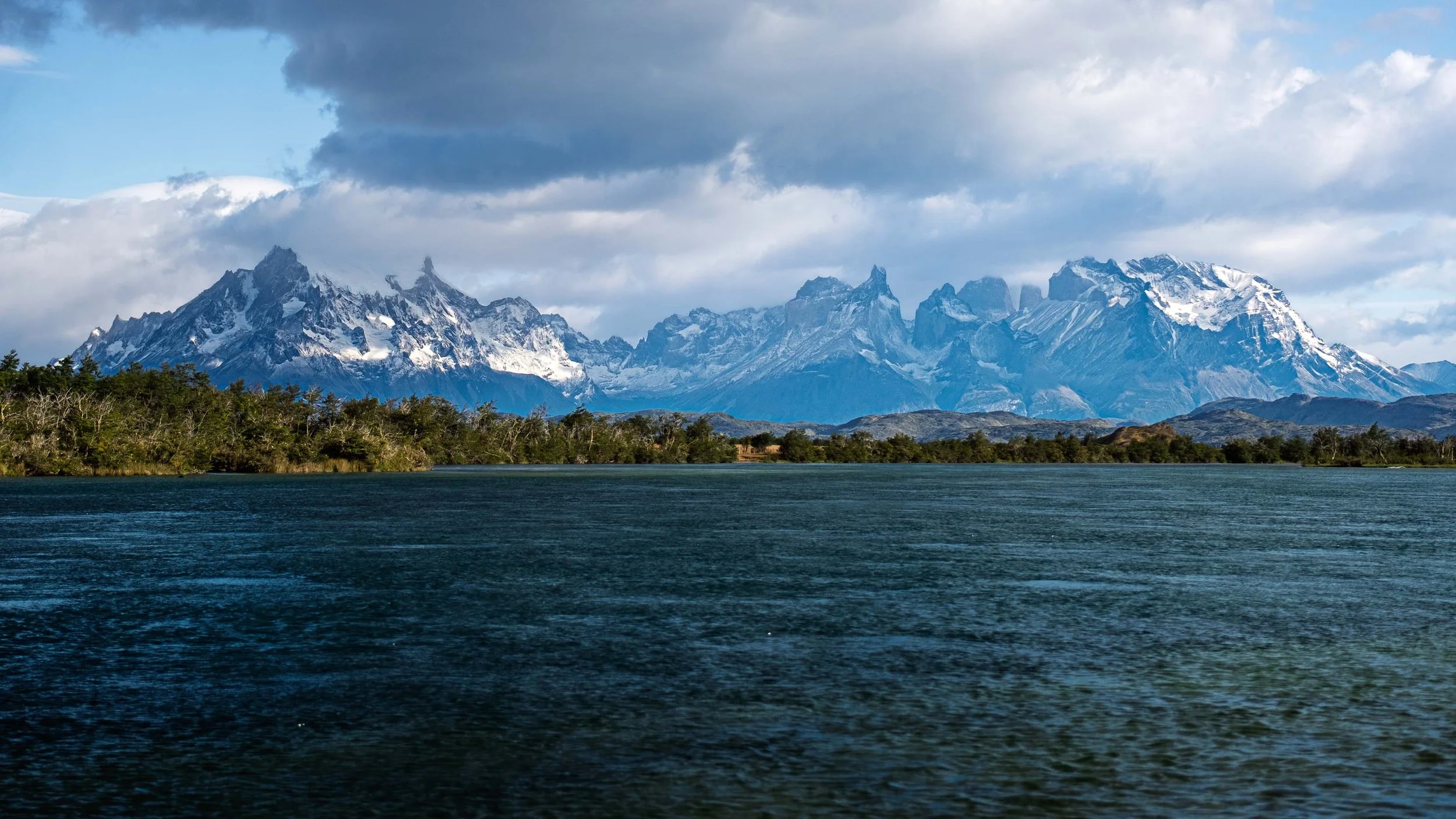
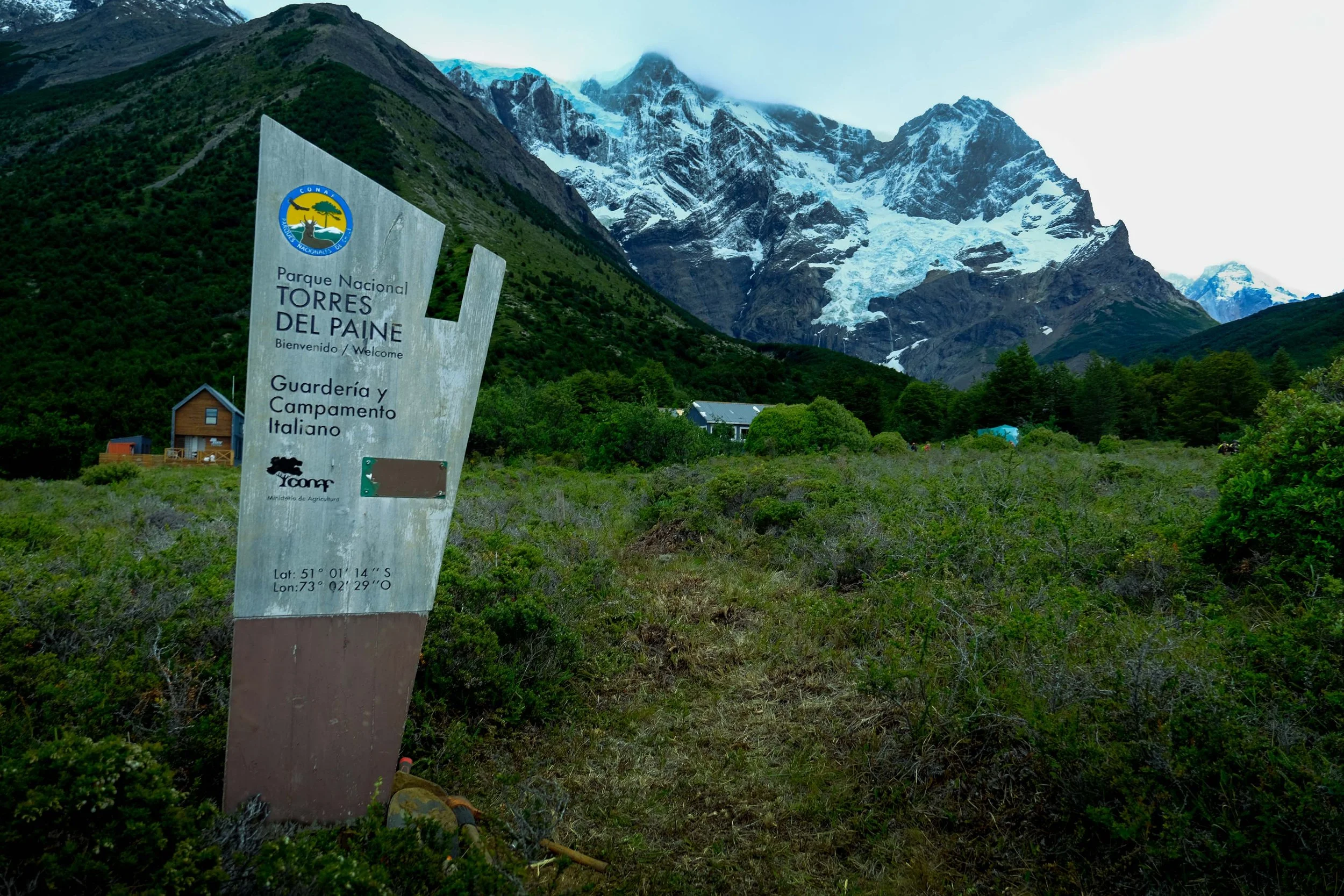
Torres del Paine National Park (Chile) – iconic trekking and glacier views
Los Glaciares National Park (Argentina) – Mount Fitz Roy, El Chaltén, Perito Moreno
Tierra del Fuego / Ushuaia – the southernmost city, great for wildlife and boat tours
Transit between regions takes time—sometimes days. Book flights, buses, or rental cars accordingly.
Book lodging & treks in advance. If you're visiting during peak season, refugios (mountain huts), campsites, and lodges fill up quickly—especially in Torres del Paine. For treks like the W or O Circuits, you’ll need to book park entry, accommodations, and sometimes transportation months in advance. Popular glacier hikes and boat tours also sell out fast.
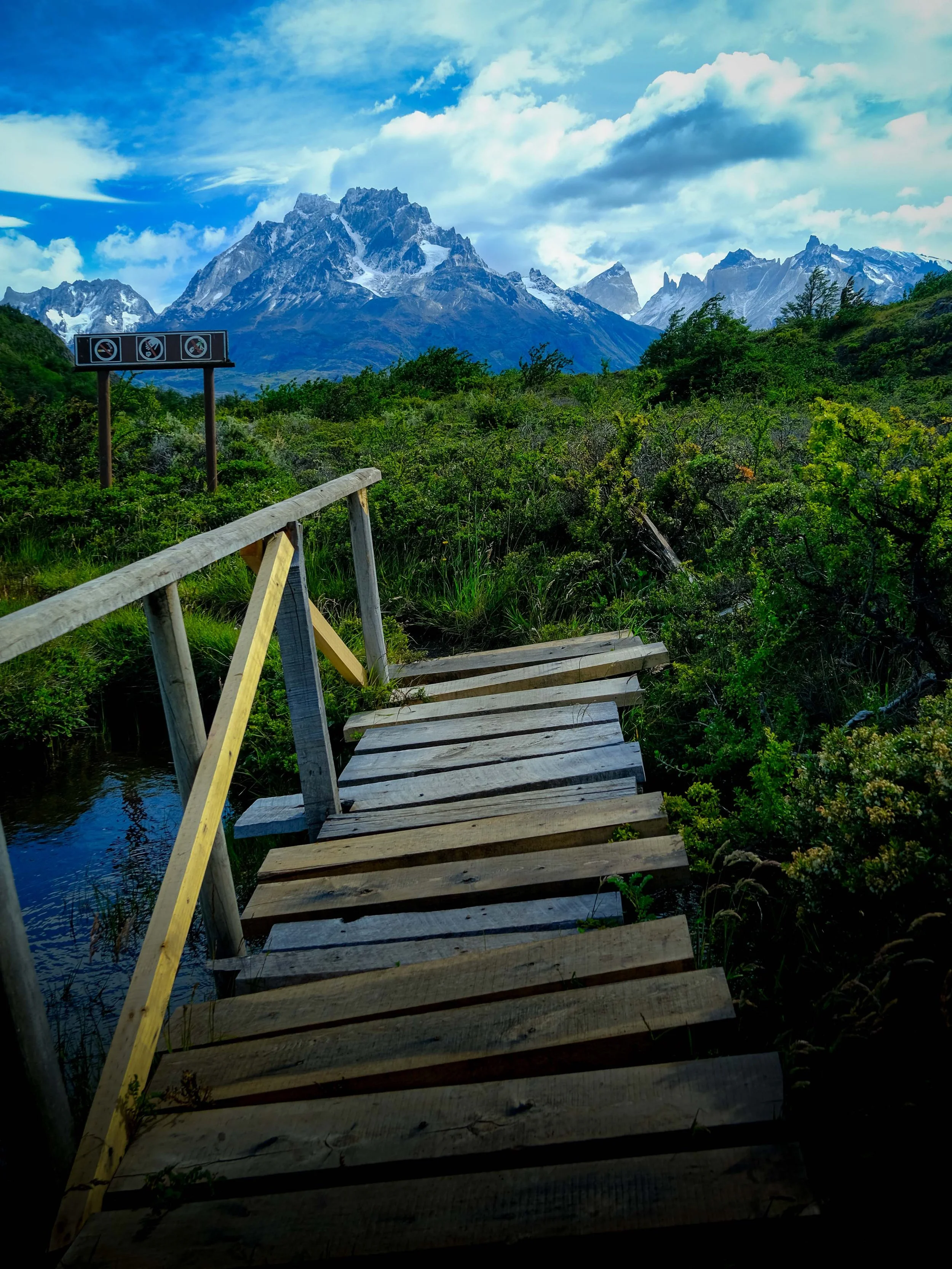
Hiking is king—but “flat” is a lie. Patagonia is a hiker’s paradise—but let’s be clear: “Patagonia flat” is a myth. When someone says a trail is “mostly flat,” expect rolling hills, rocky climbs, and terrain that quietly wrecks your quads. Add in relentless wind and ever-changing weather, and even the so-called easy hikes demand real effort. But that’s part of the magic—the views don’t come easy, and that’s why they stay with you. The W Trek is the most famous multi-day hike in Torres del Paine, named after the “W” shape it forms on the map. It typically takes 4–5 days, covering three epic sections: Base of the Towers, French Valley, and Grey Glacier. If you wanna do the W trek but don’t want to camp, there’s such a thing as a "Fancy W"—where you hike each of the three sections as day trips, returning to a hotel each night. That’s actually what we did since we are not campers—and it was chef’s kiss. You still get the views, minus the sore back from sleeping in a tent.
Here are some of the top hikes on the Chilean side worth every step:
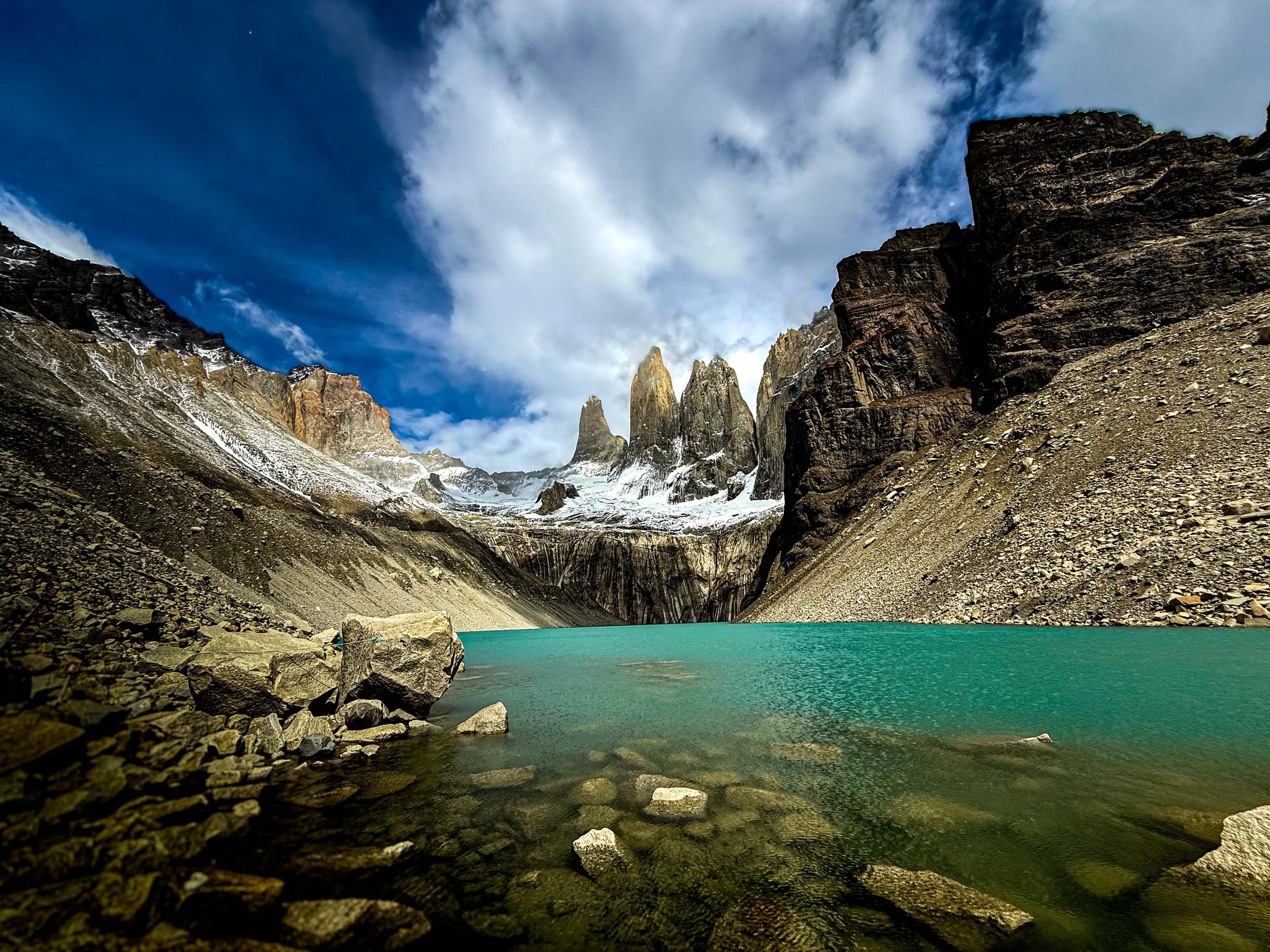
Base of the Towers (Base Torres) – THE Iconic must-do hike on the Chilean Patagonia. The crown jewel of Torres del Paine. Glacial lake + dramatic granite spires = completely unforgettable.
French Valley – Dramatic glacier scenery
A 360° amphitheater of glaciers, peaks, and avalanches deep within the W trek.Mirador Grey – Classic W Trek ending
Views of the massive Grey Glacier as it crashes into the lake. Bonus: suspension bridge detour.O Circuit – For full immersion
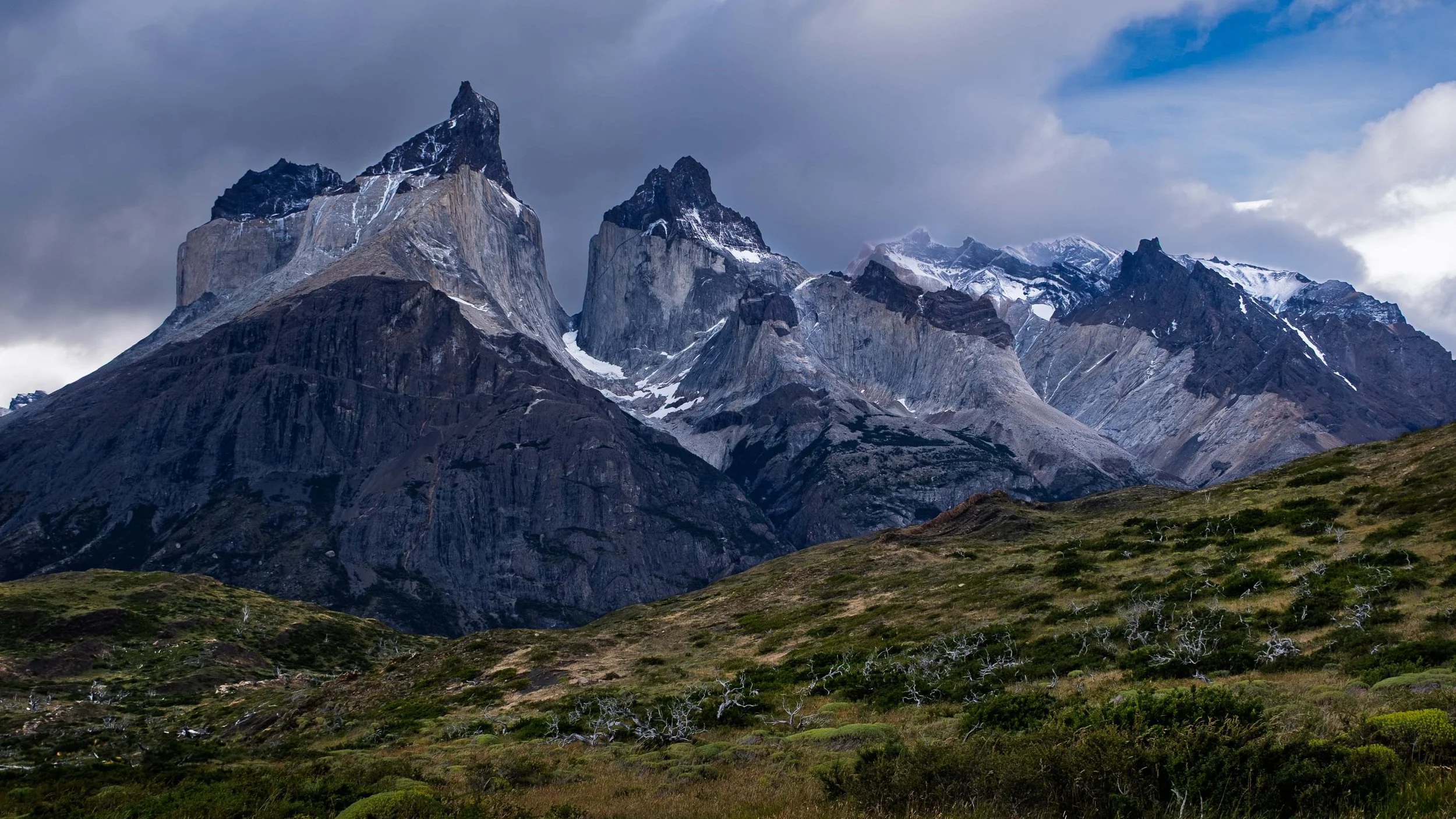
The ultimate multi-day experience through the wild backside of the park, including John Gardner Pass.Mirador Cuernos – For something short & stunning. This is the perfect beginner, introductory hike in Patagonia.
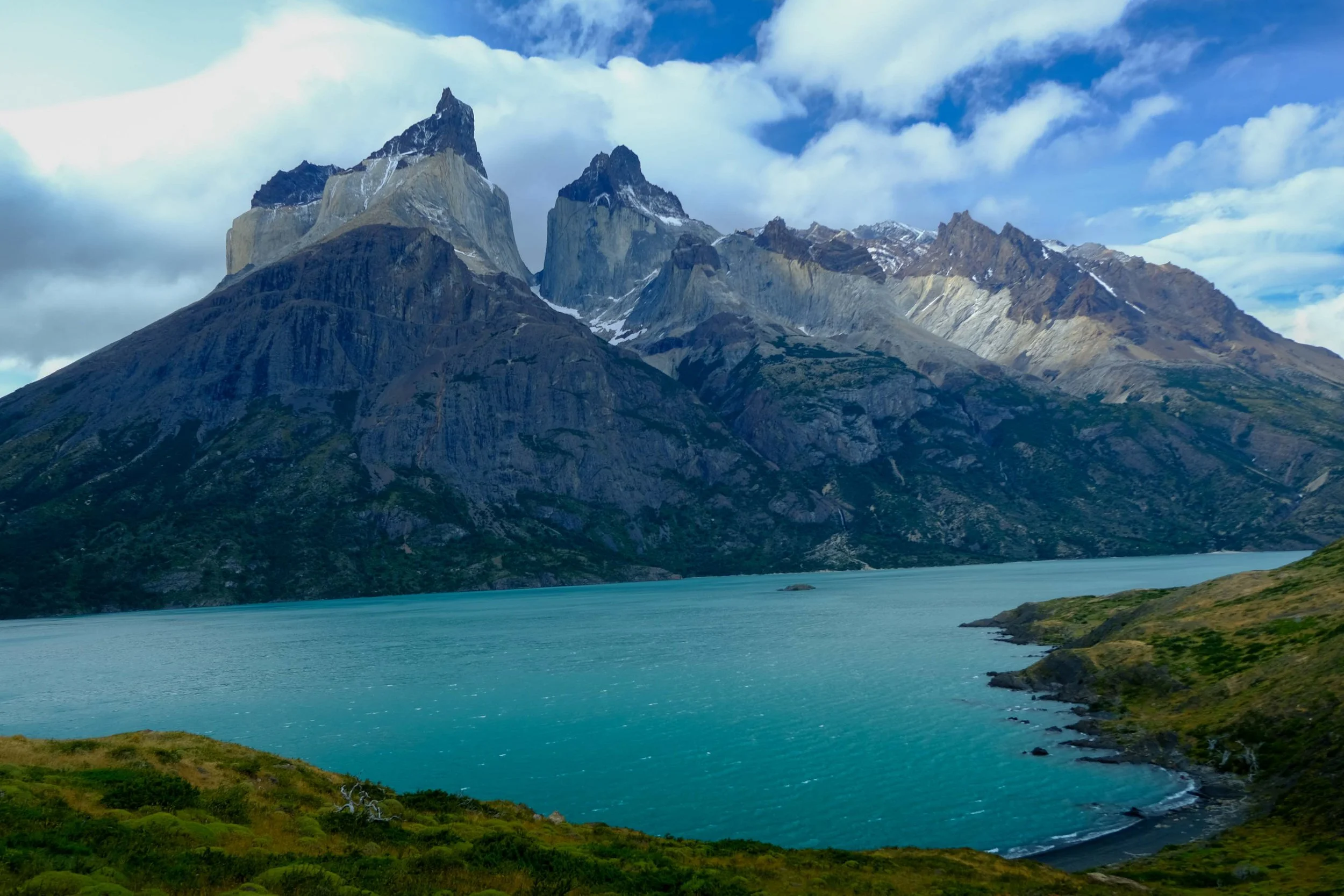
A quick trail with big rewards: Cuernos del Paine, Salto Grande, and lake views.Ferrier Lookout (Mirador Ferrier) – Steep climb, big payoff
A challenging ascent near the Grey Glacier entrance that rewards you with sweeping views of the Southern Patagonian Ice Field. Fewer people, more solitude.
Again, bring trekking poles—- I can’t stress this enough. Your knees, ankles, and future self will thank you.
Cash Is king in small towns. In major hubs like El Calafate and Puerto Natales, cards are widely accepted. But once you head into smaller towns or trailhead areas, cash is often your only option. ATMs are limited and frequently run out of cash, especially in high season. Carry enough Chilean Pesos (CLP) for daily expenses.
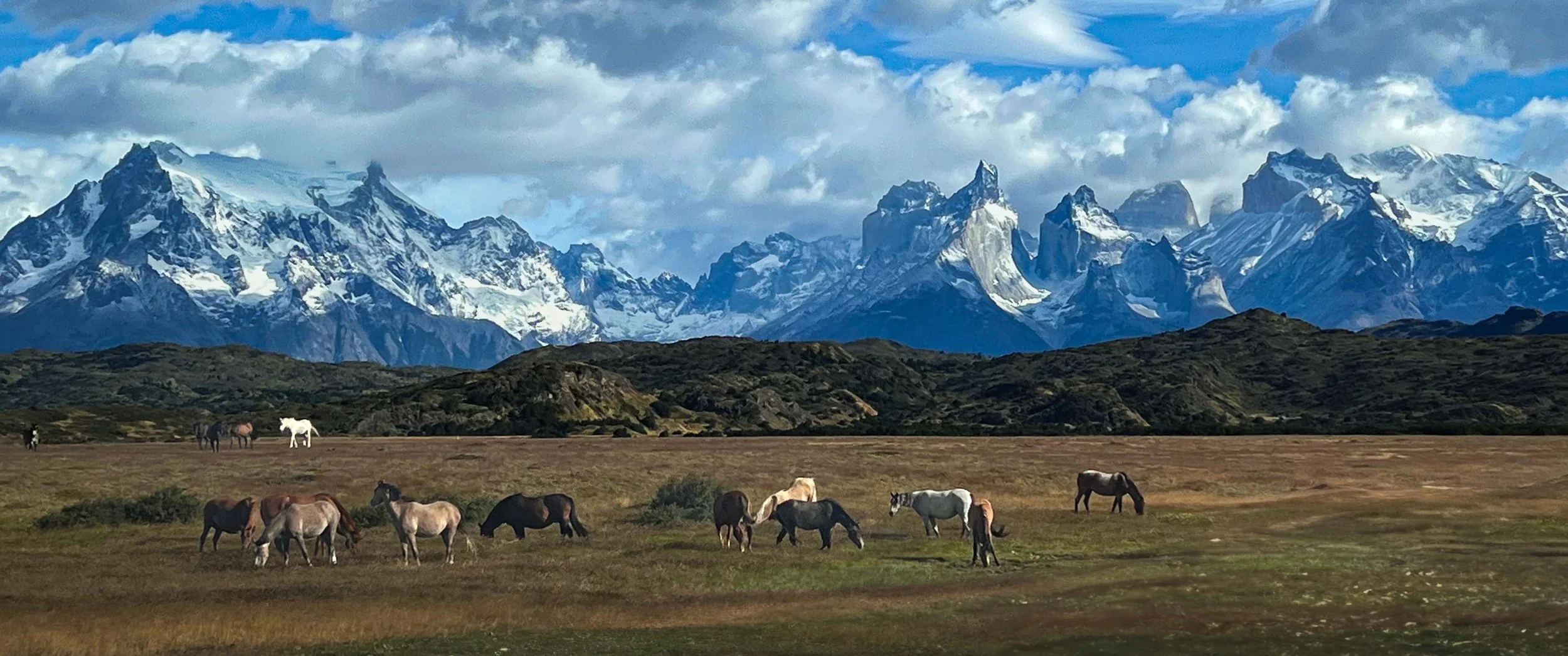
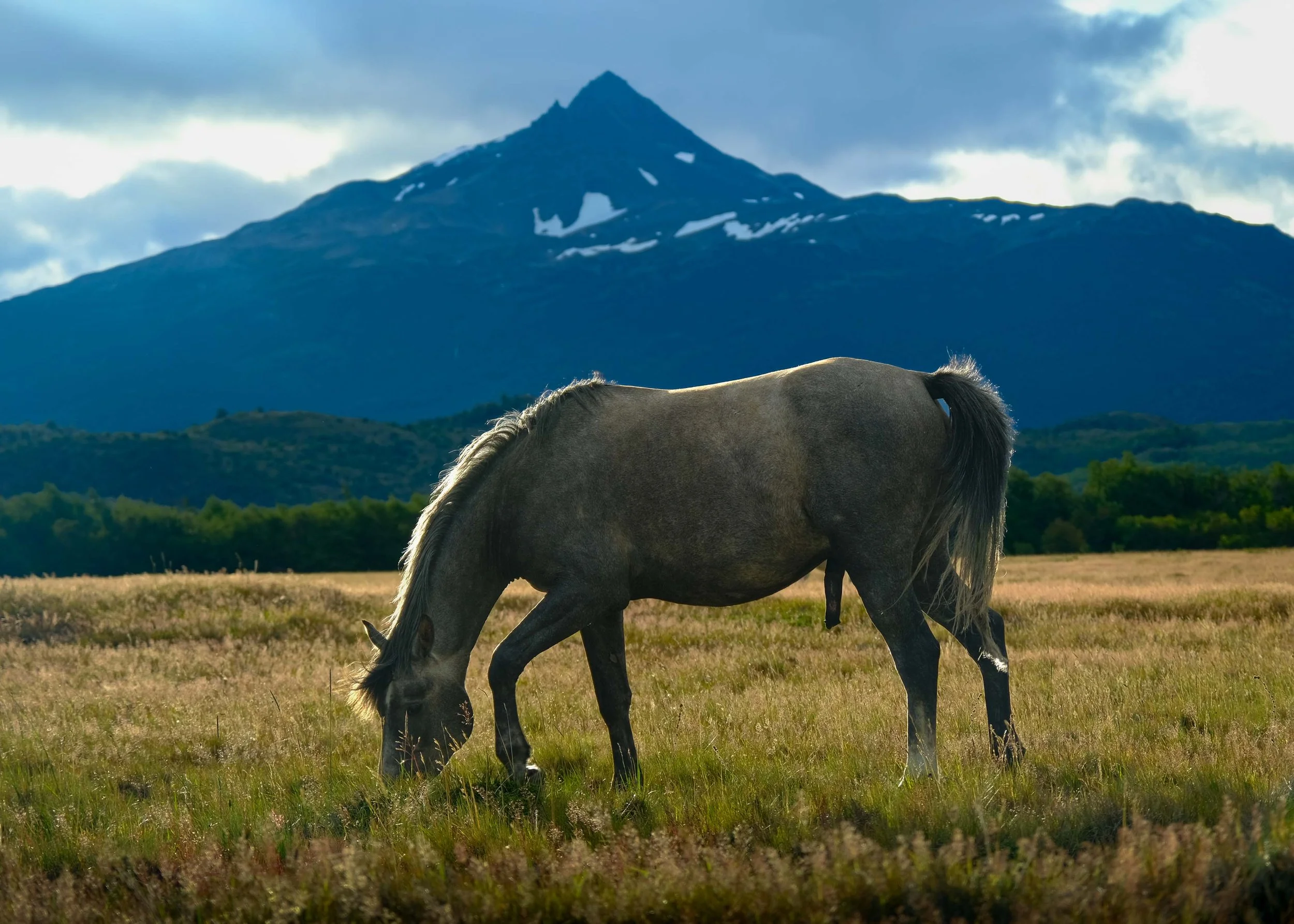
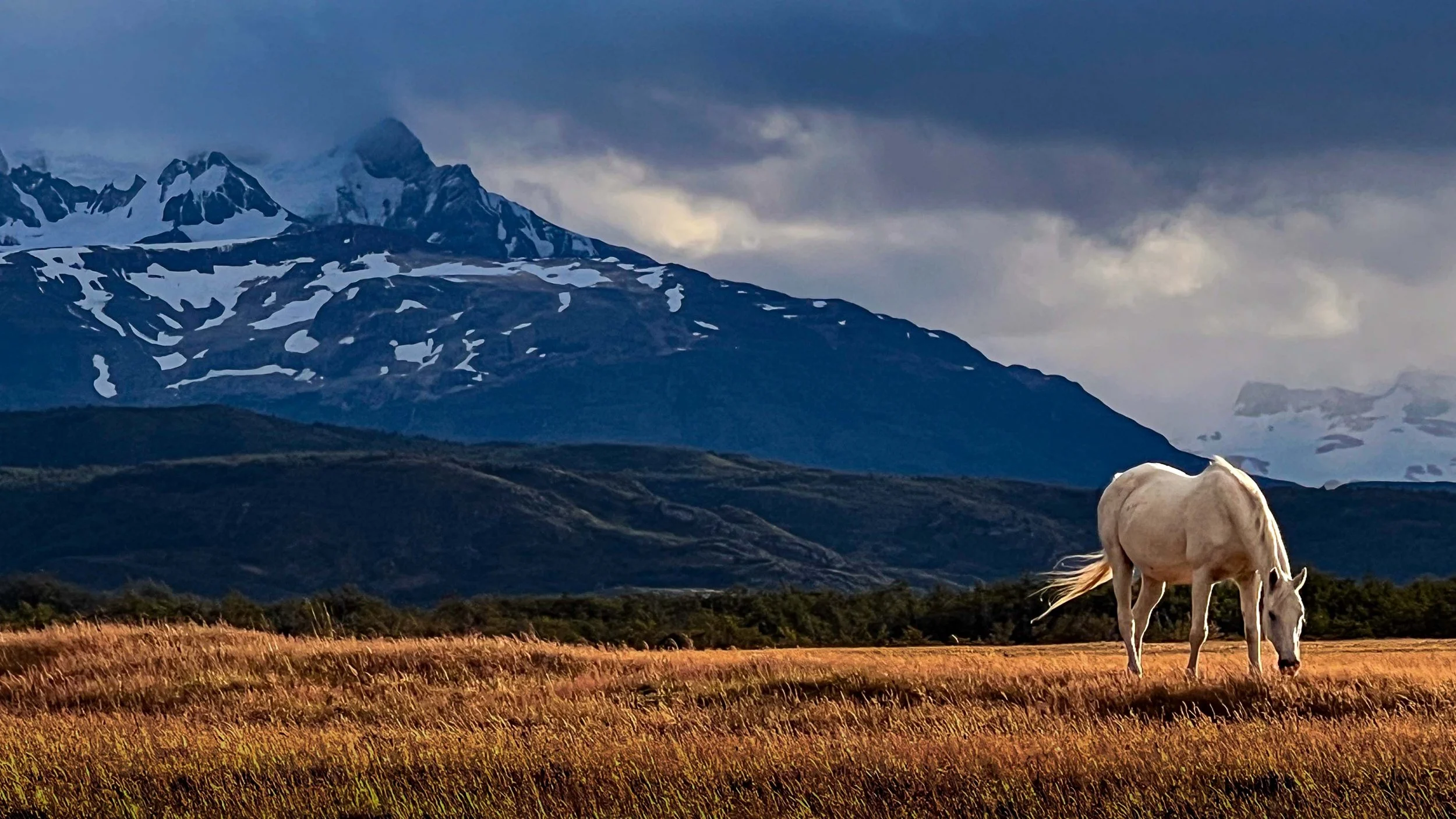
The widlife is spectacular—and Wild. From pumas and guanacos to penguins and condors, Patagonia is full of surprises. Keep your distance, respect their space, and don’t feed the wildlife. Trails often cross through protected zones—stick to marked paths.
Border crossings take time. If you’re traveling between Chile and Argentina, factor in time for customs and border checks. Some items (like fresh fruits, meats, dairy) are prohibited at crossings, so double-check your backpack before you go. Also, bring printed documents just in case—wifi and cell signal are often nonexistent in remote areas.
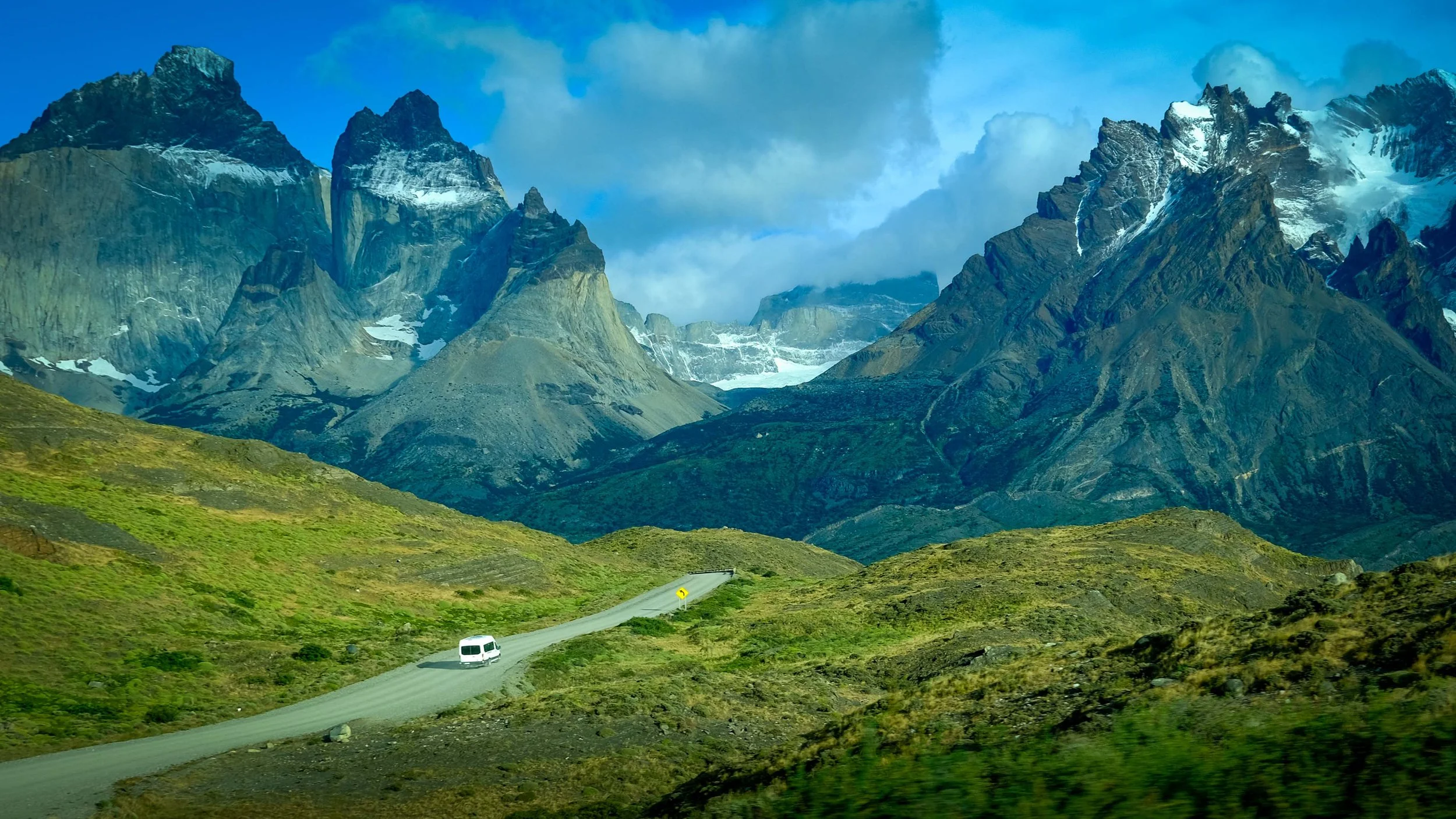
Transportation is limited so plan ahead. There are public buses that connect major towns, but they don’t run often. Renting a car to me is a must and gives you far more flexibility, especially if you're visiting off-the-beaten-path areas. That being said, driving can be rough with rough winds and not the best road conditions, so I guess it depends on your risk tolerance. If you rent a car, definitely get full coverage car insurance. For long distances, domestic flights (e.g., Buenos Aires to El Calafate, or Santiago to Punta Arenas) are essential time-savers. Also, many treks require private shuttles or transfers to trailheads—book these in advance.
Patagonia isn’t just a destination—it’s a challenge, a reset, and a reward wrapped into one wild, unforgettable corner of the world. Whether you're hiking the W in trekking boots or doing the “Fancy W” with a glass of wine at the end of each day, there’s a version of Patagonia for you.
If Patagonia’s been calling your name but the logistics feel overwhelming, you don’t have to DIY it. I can take the travel planning off your plate. Learn more about how I plan trips and see if we’d be a good fit.
